I am not a camera reviewer. I don’t know the science behind sensors or colour processing. I also don’t care about stuff like that. But, if you want a review from a normal person, please read on.
I have wanted a medium format camera for quite a while. I’ve also admired the wide images taken on an X-Pan. Both have been out of reach financially. Also, I’ve moved away from landscape photography over the last few years, and a big heavy medium format camera and lens wouldn’t really fit in with the type of images I capture these days. Then Fujifilm introduced the GFX100RF. A medium format, X100 styled, fixed lens (relatively) compact camera, and I started to think again.
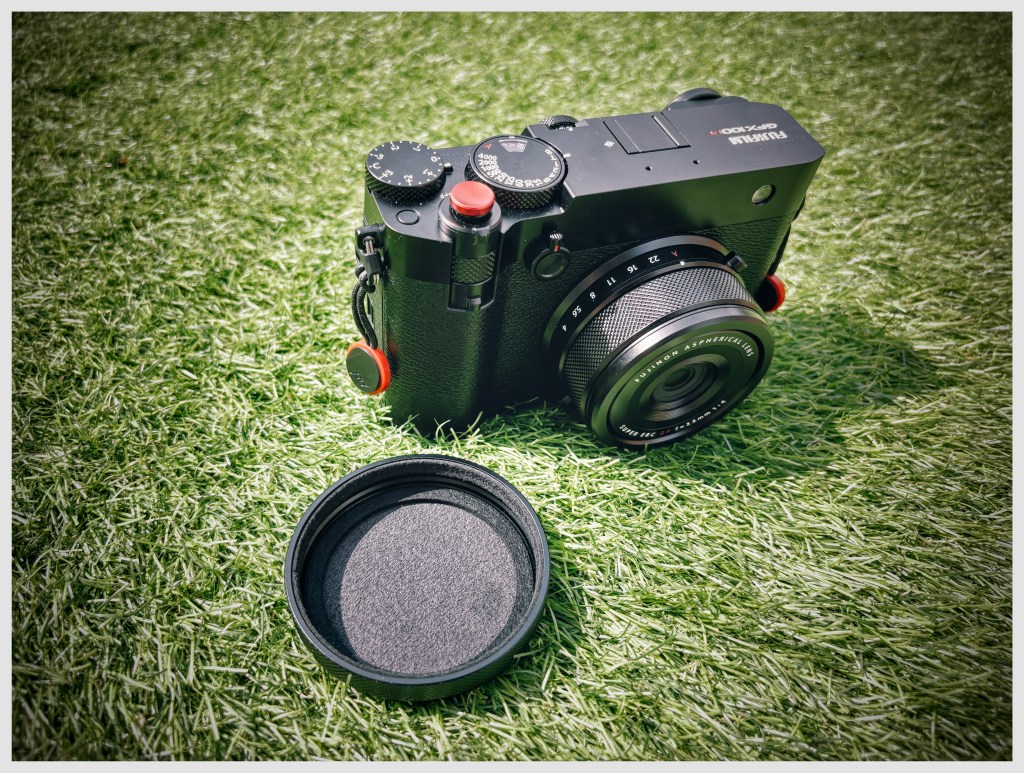
When I first saw the GFX100RF my first thoughts were of it being an X100VI with a bigger sensor, and that even if it were within my reach I probably wouldn’t buy it. It doesn’t have IBIS. F4 as the minimum aperture, for almost £5k?
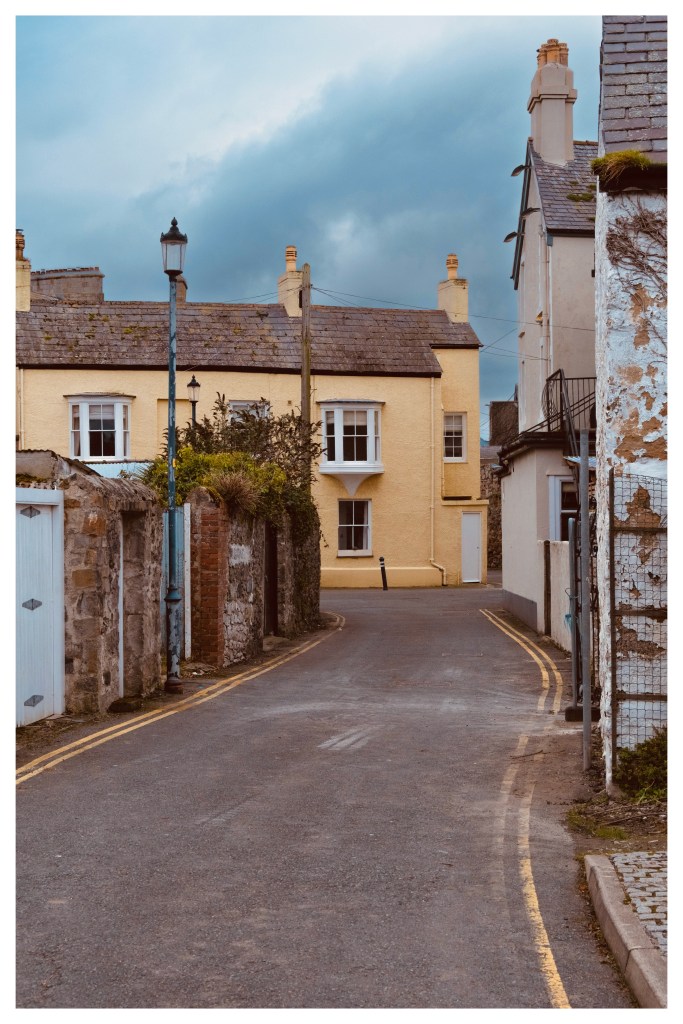
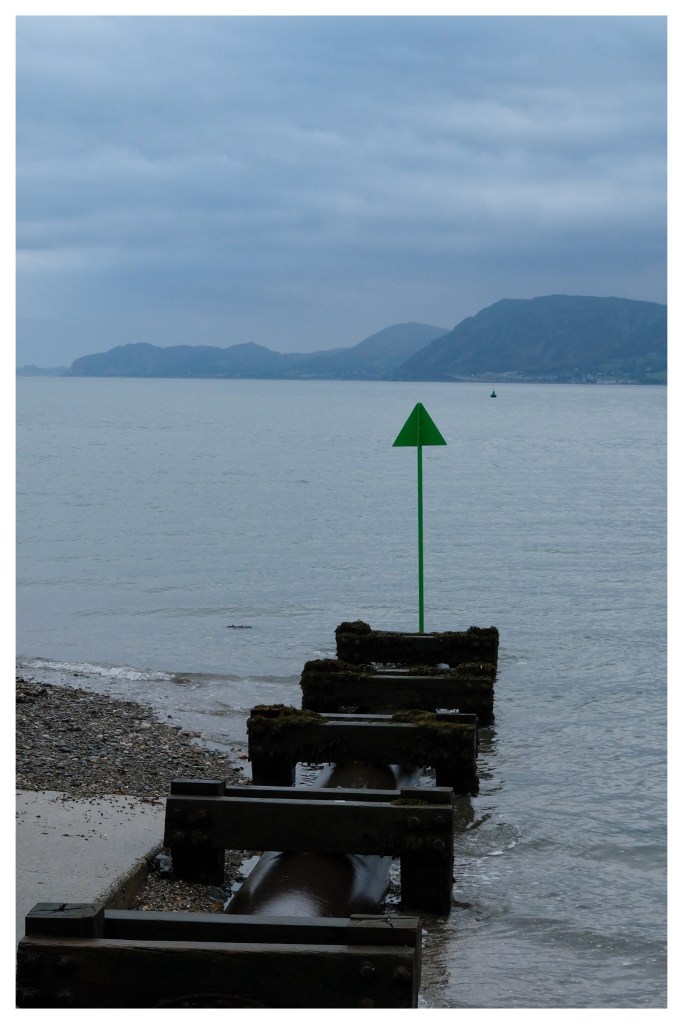
Then, I was given the chance to test one out for a couple of weeks. As luck would have it, it arrived just before we went away to Anglesey, and my opinion completely changed.
Let’s start with the looks, because it’s important. I firmly believe that if the user doesn’t like the look of a camera then they’re less inclined to use it. Similarly, if the camera isn’t fun to use – it’ll gather dust.
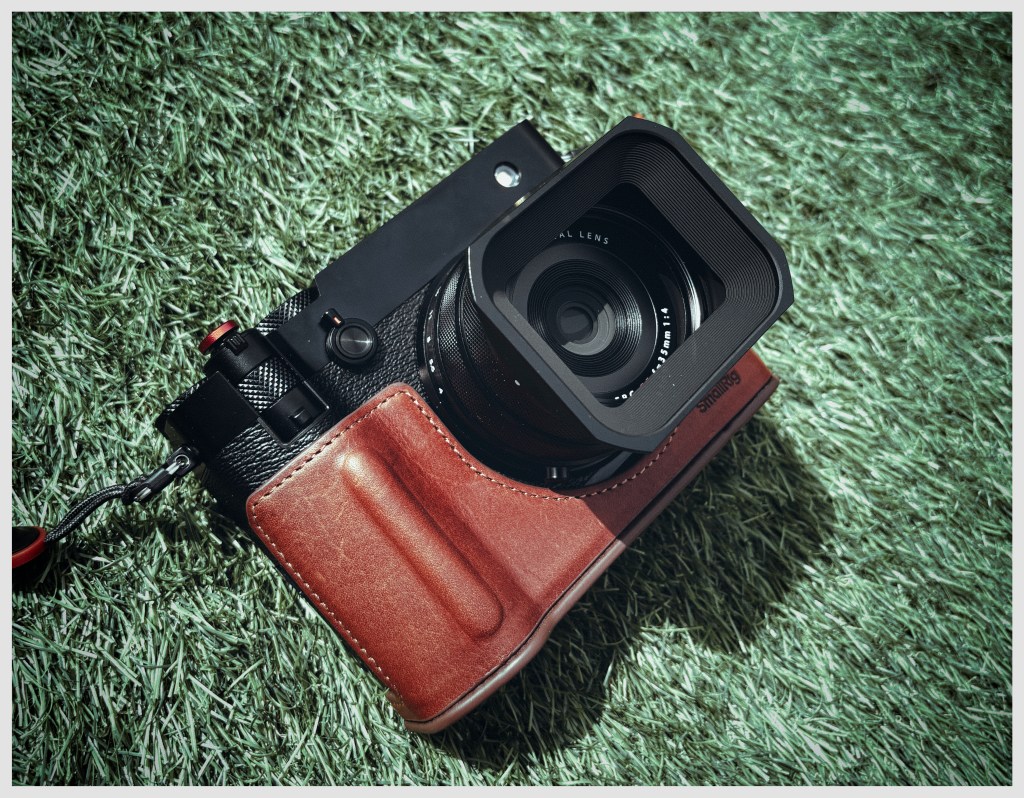
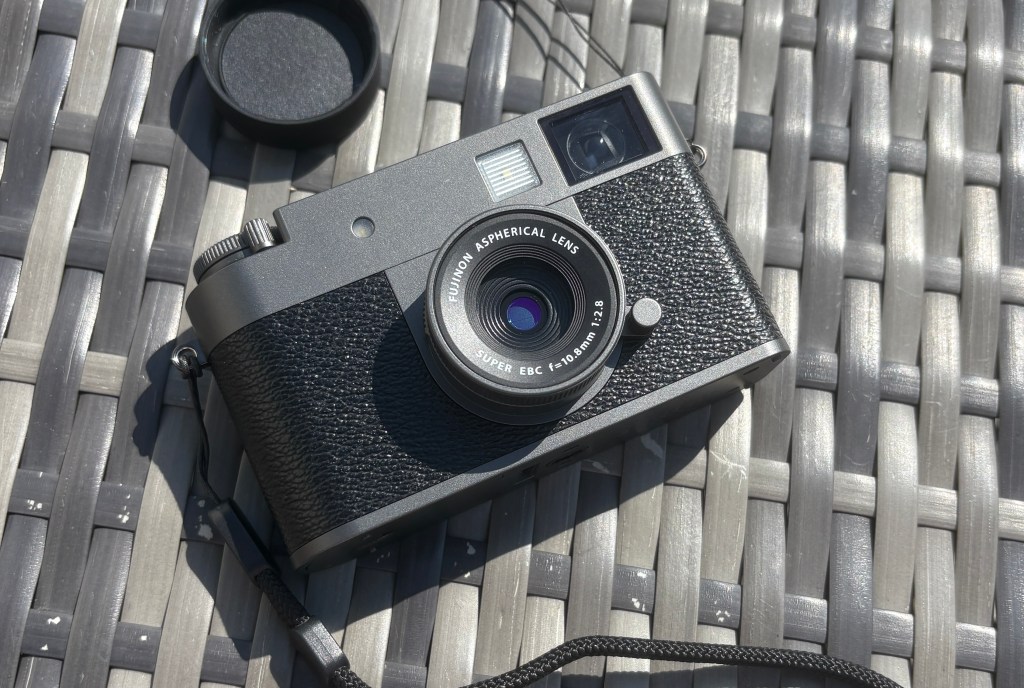
From the front, it looks like an X100 on steroids. But, there’s no optical viewfinder or flash, so it looks a bit odd. Obviously, concessions would have to be made to make a medium format camera this small so it’s understandable that they’re missing. What the GFX does have that the X100 doesn’t is a digital tele converter dial on the front. This allows you to crop in (at the loss of pixels) in camera. It also has a very different front command dial, which is a taller than usual option, and I struggled to get used to it for a few days. From the top, it’s identical to the X100. Shutter speed and ISO dial, and exposure comp dial. But, there’s also a glimpse of my favourite feature on this camera, the aspect ration dial (more on that later).
The back is a completely new lay out. The (very good) viewfinder. This is digital only, unlike the X100 optical and digital options. Add to that a great screen with the same articulation as the X series cameras. There’s a new style control stick. There’s a second command dial as usual. It’s a bit chunkier so it matches the rest of the camera. I’ve read comments from a lot of people about the new stick, and it’s not very popular. I don’t mind it. It does what it’s supposed to. The focus mode control has been placed on the back. Then there are the usual Fujifilm buttons, AEL, Menu/Ok, Display/Back, Play, Drive/Delete and a very small Quick Menu Button.
Lastly, there previously mentioned Aspect Ratio dial. When I read about this I thought it was a gimmick. Do we really need a dial to change aspect ratio in camera? Why not just do that in post? Then, when I started using it – I got it.
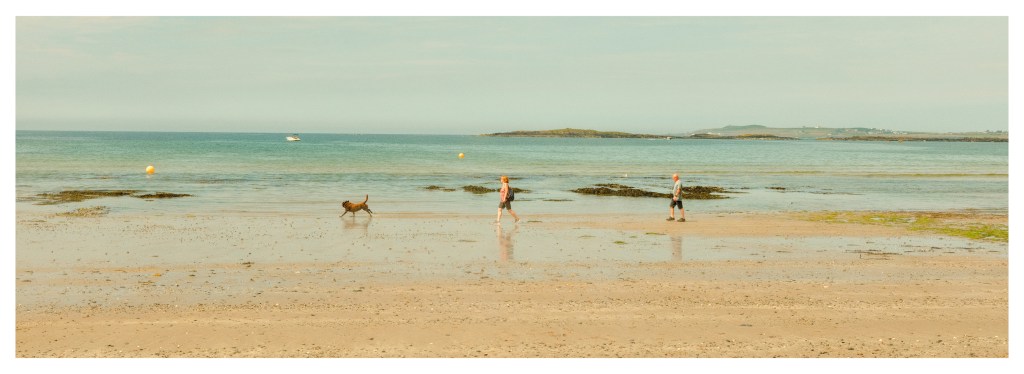
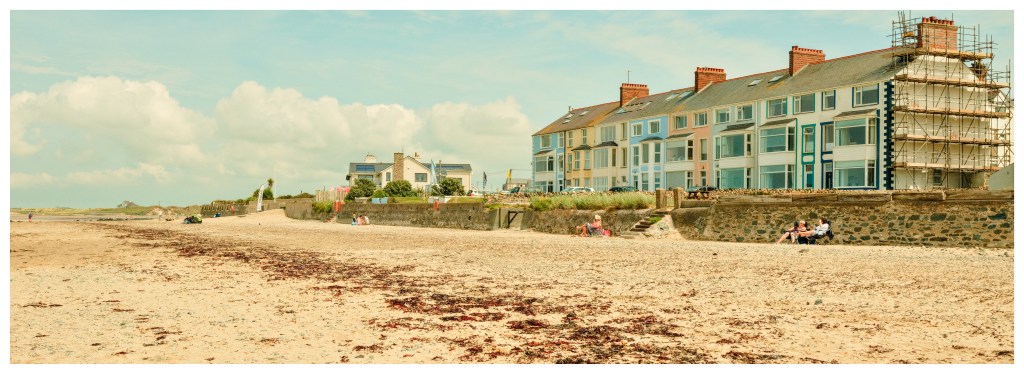
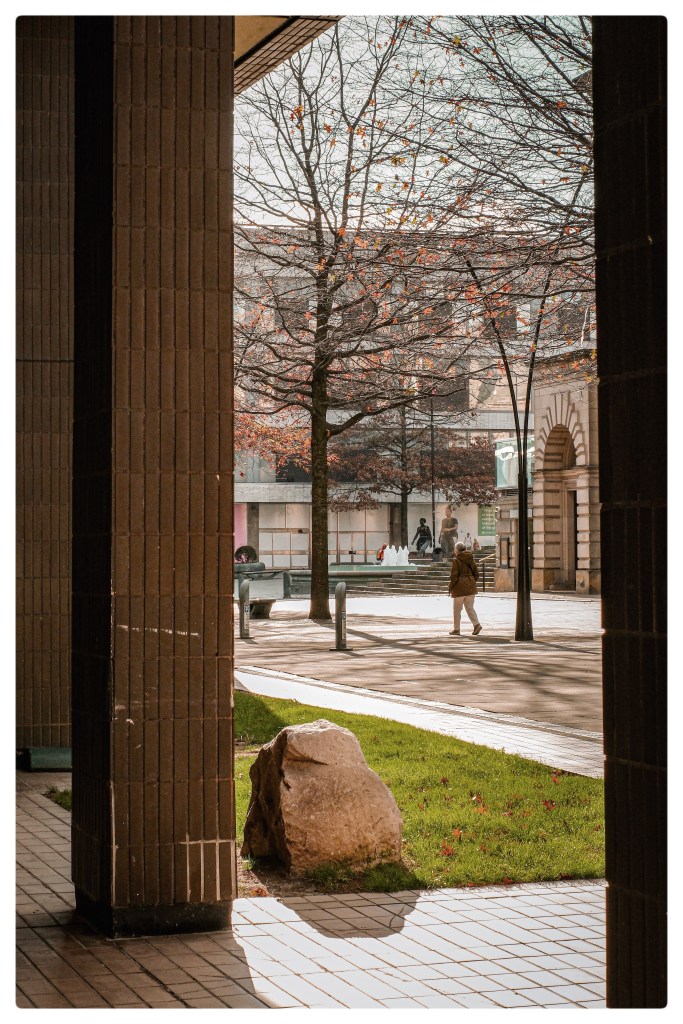
Using this dial changes the way to approach a subject. It allows you to compose in different ways. It gets you thinking. Yes, you can do all that in editing, but this lets you see it there and then. Having that ability will change the way you view an image. For me, it adds to the Fujifilm ethos of doing as much as possible in camera. Set your film sim, set your aspect ratio, job done. Having the dial where it is lets you flick through the options whilst looking through the viewfinder. I even got experimental in York and tried portrait 17:6. Not with any great success, but it was fun trying.
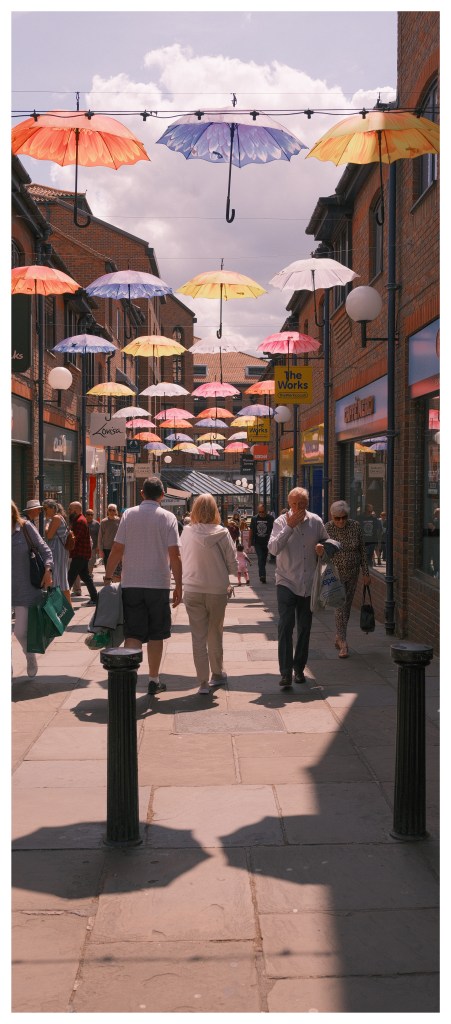
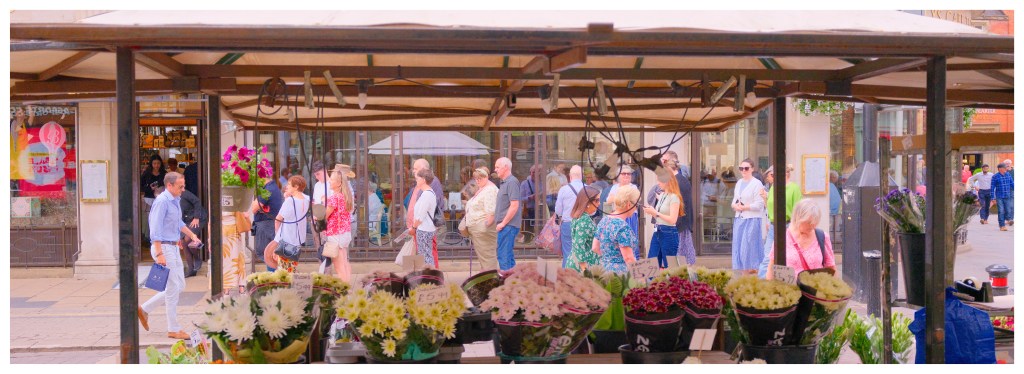
The camera also does as good as you’d expect in the more ‘normal’ aspect ratio too. And, I can’t say I missed IBIS. It didn’t occur to me that it wasn’t a feature.
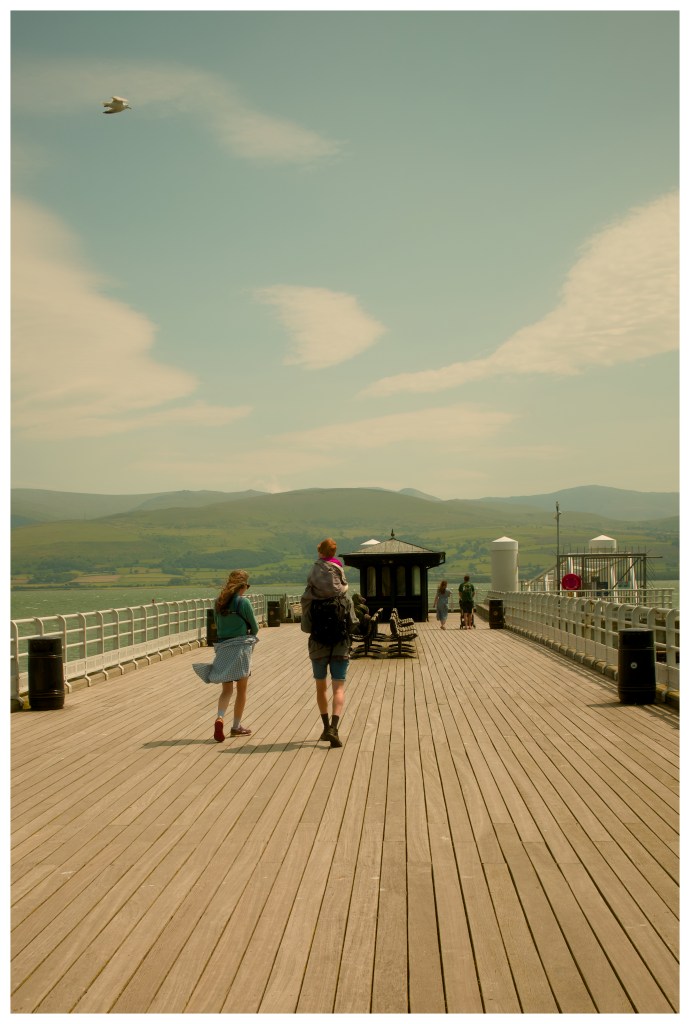

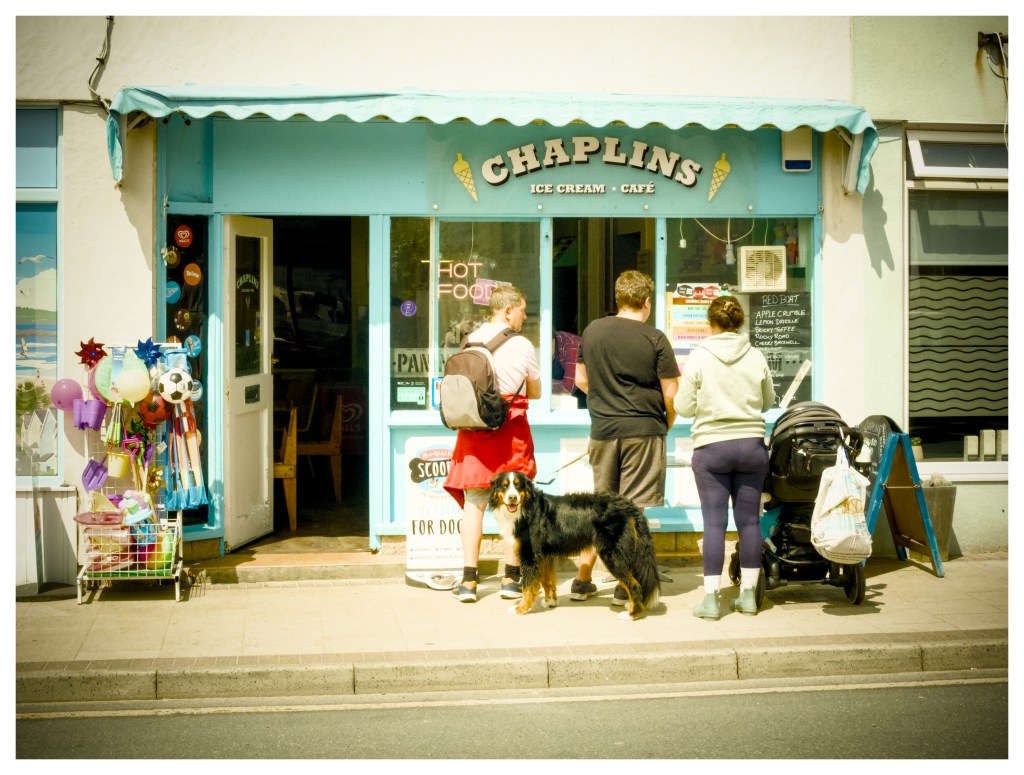

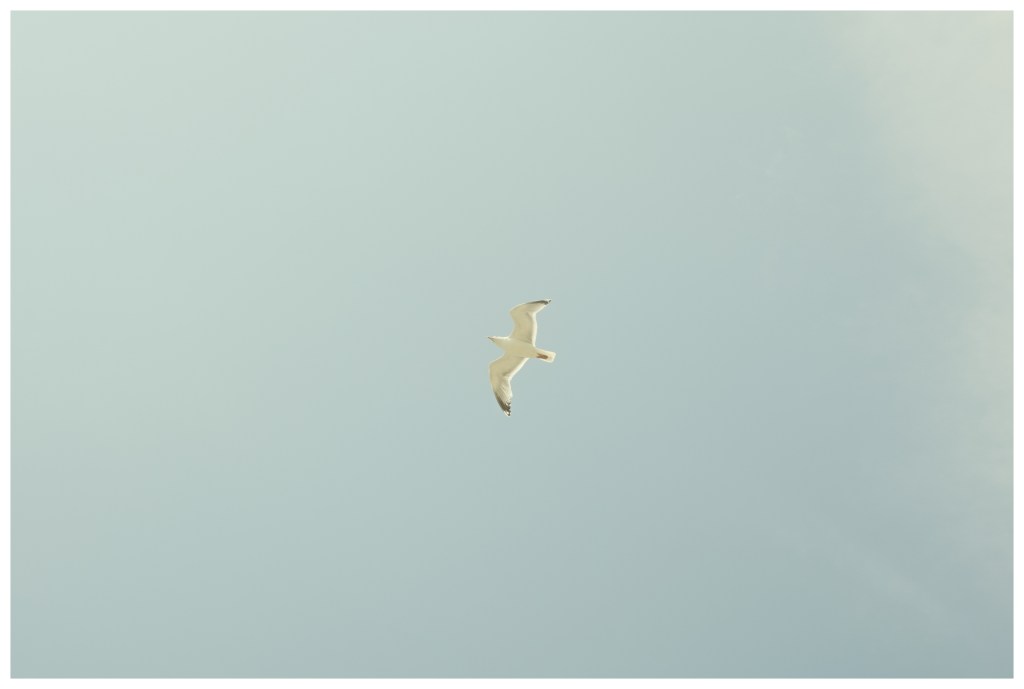
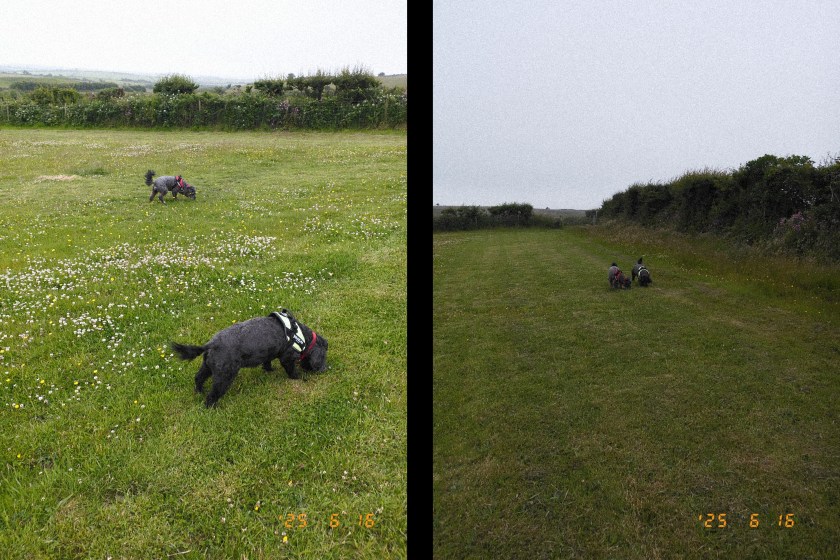
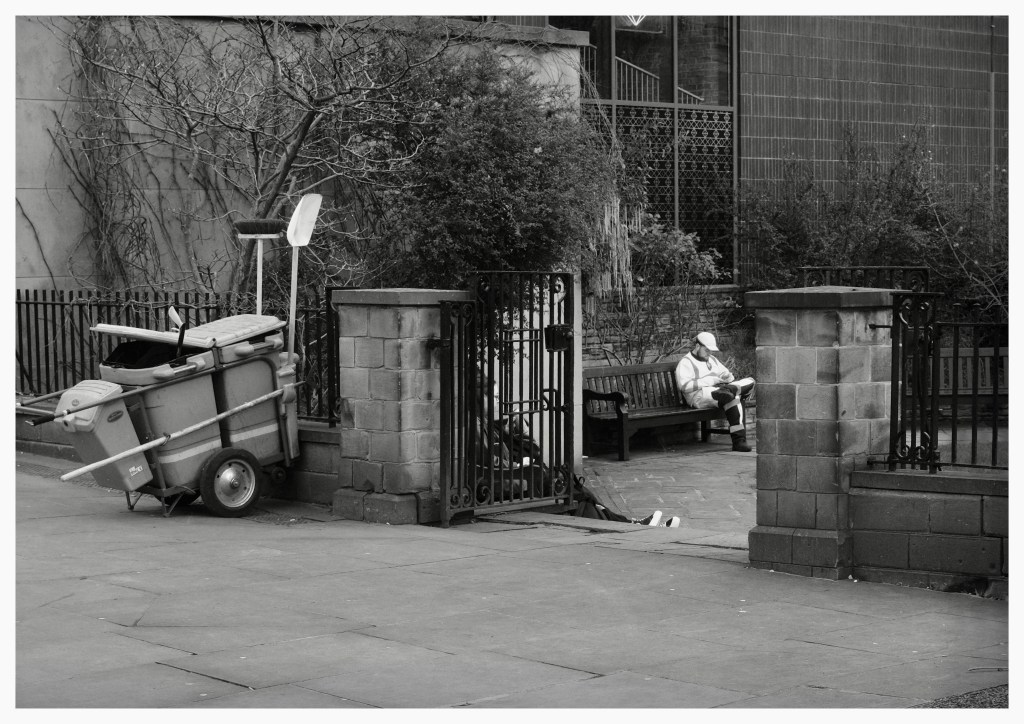
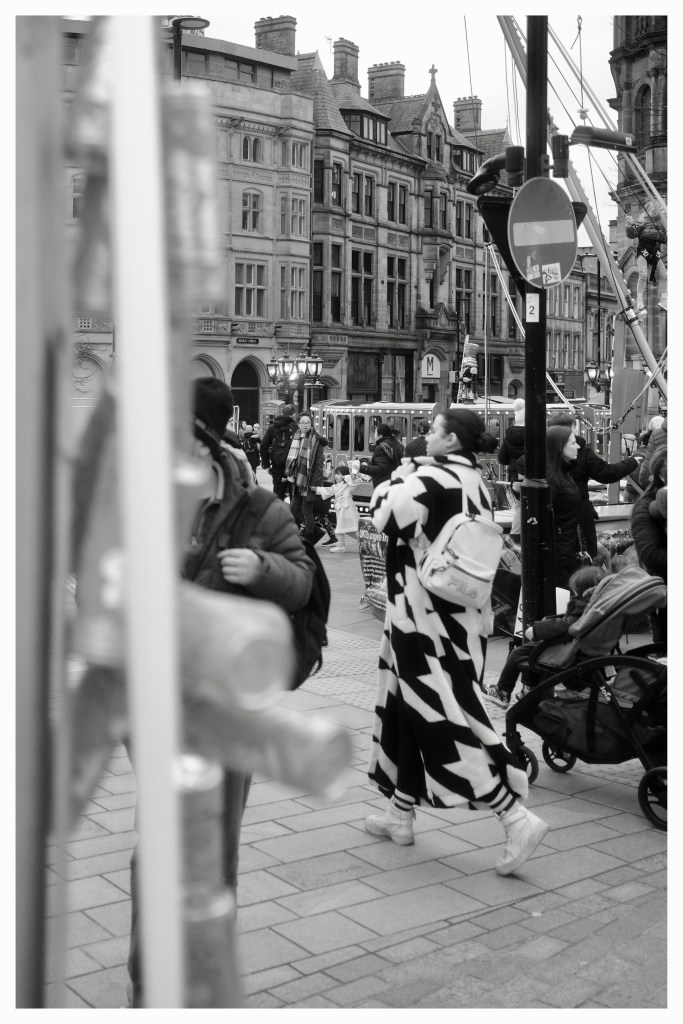
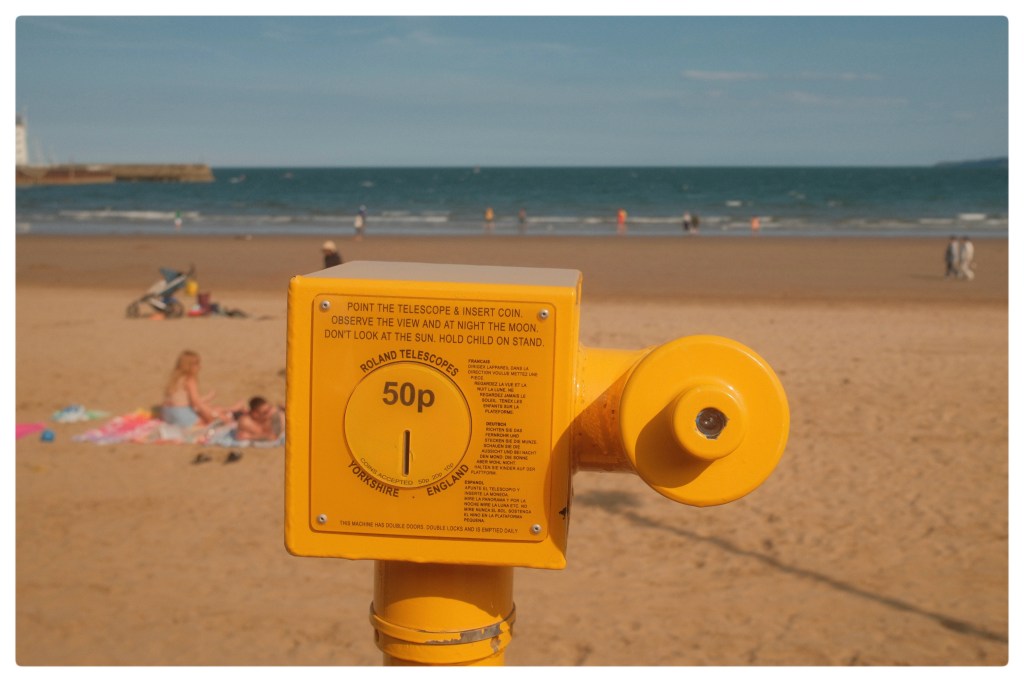
As I said at the start, I’m not a tech head or pixel peeper. I don’t care about that stuff, and given my limited vision it wouldn’t make any difference if I did. I have happily made photographs in jpeg, straight out of camera with this camera and done only very minor editing when needed. So, do I like this camera. Yes, very much. It’s nice to use, a decent size (for medium format), not too heavy. It feels nice in the hand and wasn’t obtrusive when walking around. Anyone familiar with Fujifilm cameras would be able to pick this up and make photos with it.
Now to the obvious question – is it better than the X100VI?
This is undoubtedly the question most people have asked. And, it’s a reasonable thing to ask, especially given the price difference.
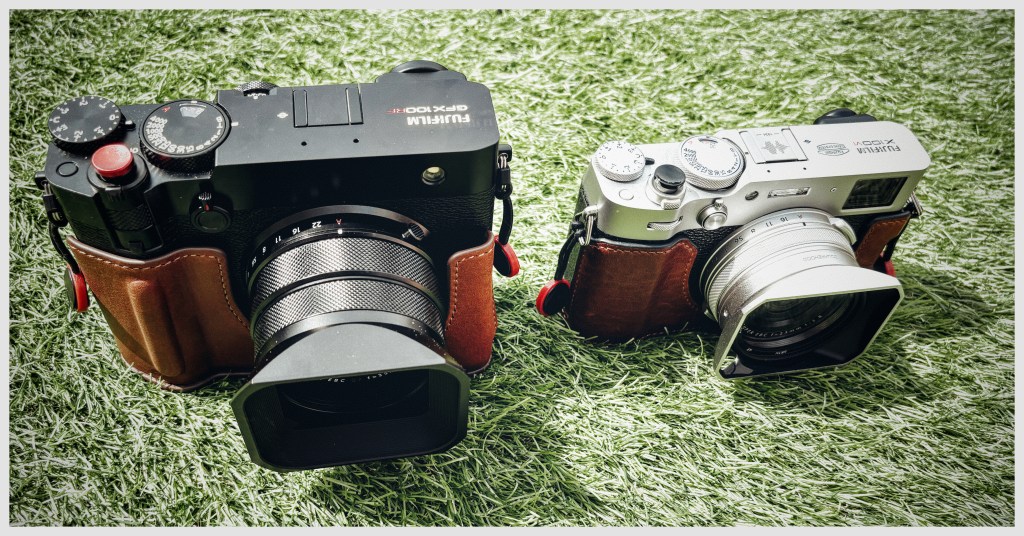
If money was no object I would struggle to choose. The GFX is technically superior in some ways, and I had a lot of fun using it. I absolutely love the quality of the images it produces. Medium format really does make a difference. But, I feel it may be wasted on me as I don’t print my work. I mostly publish my images online, so an X100Vi is still a bit of overkill.
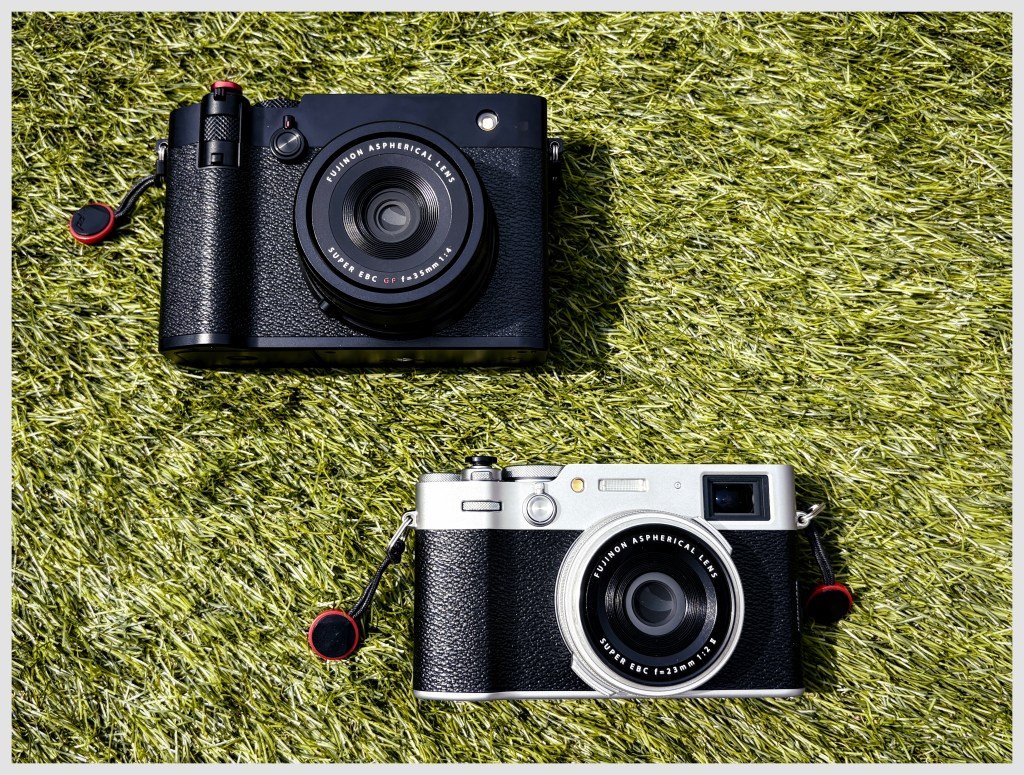
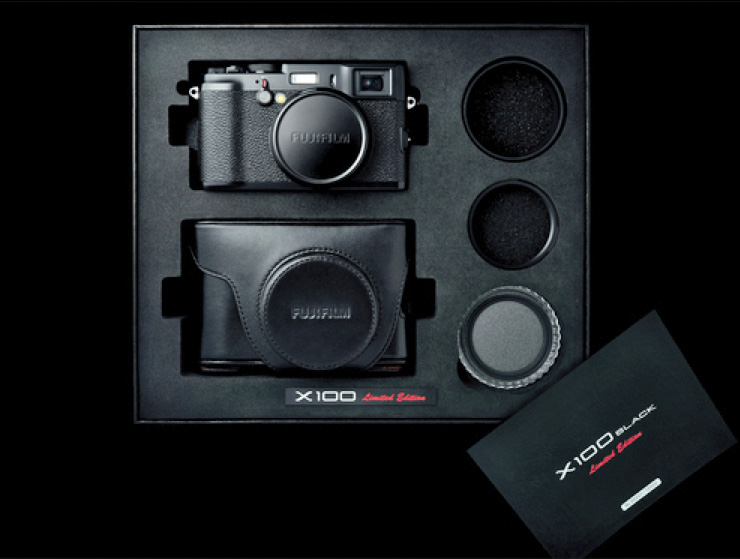
The X100 can go anywhere. And, well just look at it – it’s beautiful.
I think the best way I can sum this up is this. If you already have an X100 then you’re not missing out on the GFX100Rf. If you don’t have either, and can spend the extra, then the GFX is a wonderful camera that will serve you well for a very long time.








 Shaun Madill Photography