Recently I’ve felt like I’ve over complicated the activity of photography. Too much gear, too many options. I’ve spent more time thinking about what to take out than actually being out, and I think I put myself off taking photos.
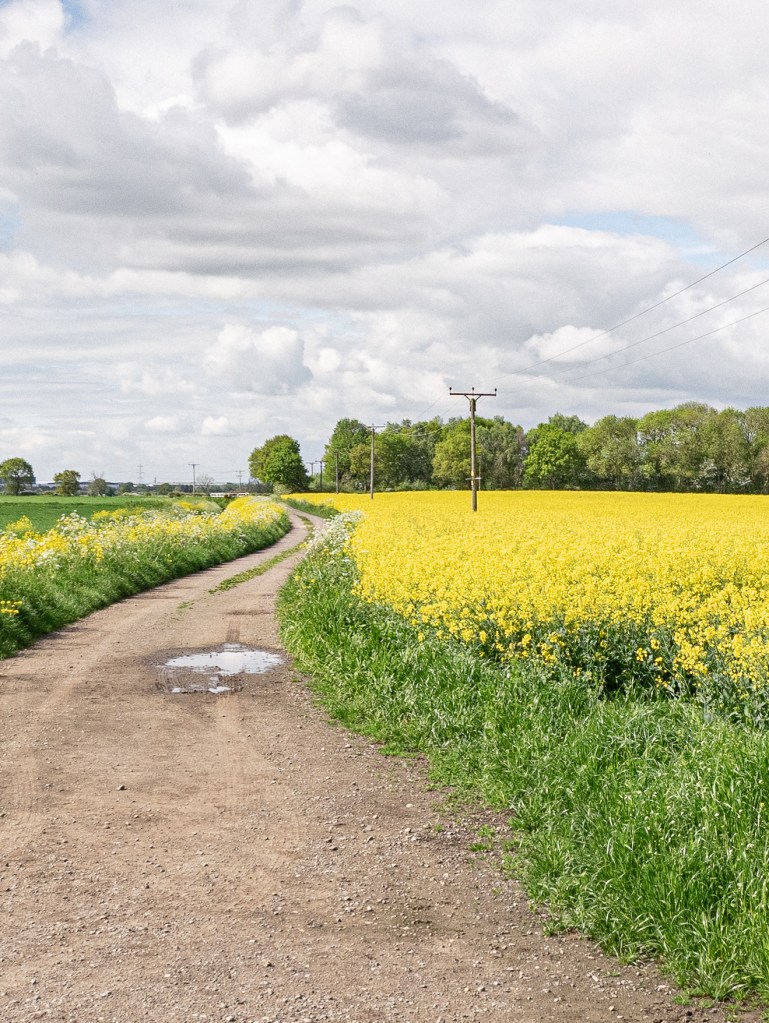
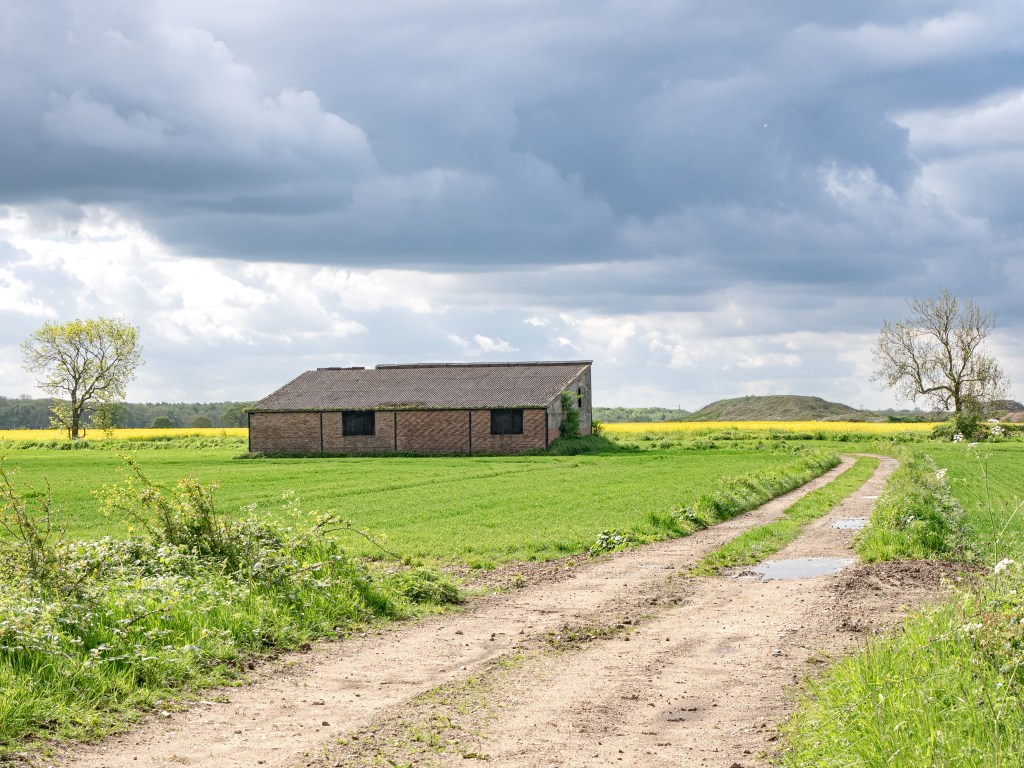
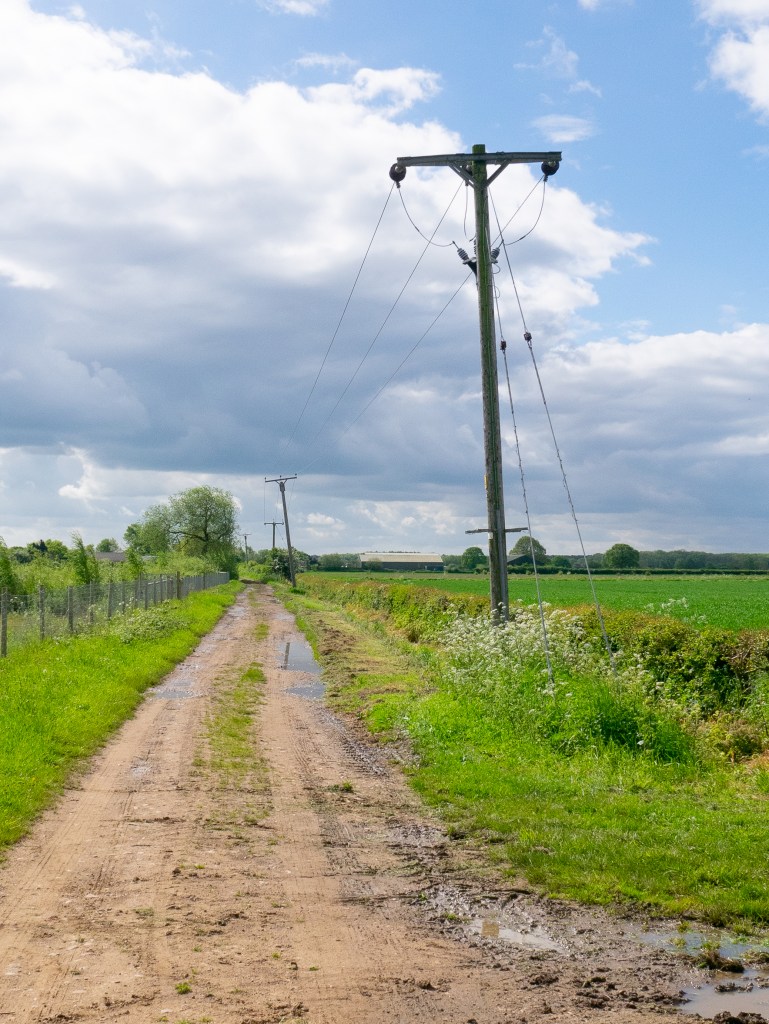
So, I really enjoyed going out around back lanes of my village with just my GM1, and one lens (Panny 12-32) and getting back to just taking photos.
The photos’ aren’t anything spectacular (although I really like the one on the right), but I enjoyed the process. Again, the GM1 does a great job, and it’s so nice to use.
Goodbye G100
As I wrote in my last blog, I’ve felt overwhelmed with too much gear. My walk around with the GM1 convinced me that I didn’t need so many cameras, so when I got back I decided to sell my G100, my older GM1, a 25mm lens, and my 7Artisans fisheye (I couldn’t get they hang of that one). It’s money in the bank for when there’s something I actually need. It was quite cathartic, and I feel like a weight lifted. One camera for serious work, and one that I can take anywhere, and less stress deciding on what will be going with me.
OF course, the answer to this question is subjective, and everyone will have a different answer. But, let me put the case forward for the Panasonic Lumix DMC-GM1.
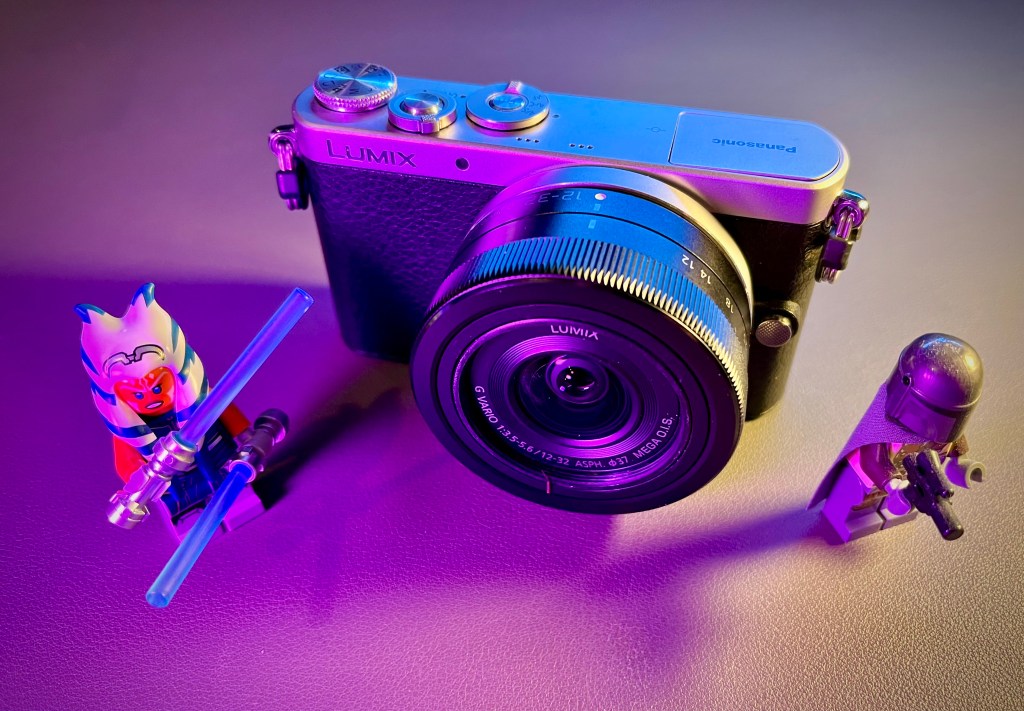
My Lumix GM1 – with Star Wars Lego Minifigs, purely for scale (I didn’t have a banana in).
Just before Christmas I was in York (the UK original version) and I was using my GM1 to take some photos when this American chap came over to me. ‘Is that a GM1’ he asked. ‘Yeah, well spotted’ I replied. He asked if he could take a look at it, and as he didn’t seem dodgy I obliged. ‘It’s like new, how long have you had it’ was the next question. I told him I bought it in 2014 and that like all of my gear I like to take care of it. ,Then, to my surprise he offered me four hundred dollars for it. ‘No, thanks’. Five? ‘Still no’. Six? ‘Ermmm, no’. At this point I told him it wasn’t for sale at any price and made a hasty exit. What on earth was going on? Well, it seems the GM1 (and GM5) have gained a cult following, and with good reason.
The GM1 was released in 2013 and is still one of the smallest interchangeable lens cameras ever made. Ten years later, it still boasts fairly considerable specs for a camera so tiny:
Panasonic GM1 specs:
16MP Live MOS sensor
Built-in Wi-Fi (no NFC)
3.0-inch, 1036K dot touch-sensitive LCD
1080 HD video recording at 60i/30p
Built-in pop-up flash
1/16,000 maximum shutter speed (with all-electronic shutter)
Focus peaking
Picture-in-picture magnification for manual focus
Micro HDMI output
Magnesium-alloy shell with aluminium top and bottom plates
Why do I love this camera so much? Firstly, and most importantly it actually takes great photos. I know 16mp isn’t huge by today’s standards, however it’s big enough to make great prints. I may be a tad nostalgic, but from the camera this little thing delivers bright images that need very little editing. Next up, I can use all of my lenses with it. From the tiny 12-32 to the huge 100-300, they all work regardless of how silly they may look. The GM1’s best feature is its size.
I know we all have phones with fairly decent cameras, and they’re handy, small and always in our pockets. But, they’re limited. The GM1 is tiny, and you get full manual control – which, as photographers is what we really want. This camera goes in my pocket on dog walks. It goes in my bag on day trips. It goes to weddings, or parties. It goes where I don’t want to stick a big camera in someone’s face. All of that and full creative control. That’s why I will never sell this camera.
If anyone from Panasonic reads this – go and check eBay and second hand dealers for GM1 and GM5 bodies. They sell for as much now as when they were first released (if they’re in good condition). That’s if you can find one. There is a big market for Japanese models, and amazingly English speakers are buying them despite not being able to read the menus (apparently it can’t be changed to English). Again, they’re relatively expensive. My point Panasonic, is – make a new version. Don’t change much, maybe the same sensor that’s in the G100/G9 and leave the rest as it is.
This camera is what Micro Four Thirds is about. Small, fully manual, interchangeable lens system. It’s something we need more of.




 Shaun Madill Photography