You just won’t believe how vastly, hugely, mind-bogglingly big it is. – Douglas Adams
Ever since I was little I’ve been amazed by ‘outer space’. I used to watch old black and white sci-fi films with my Dad on BBC2 on Thursday nights, then Star Wars, Star Trek, Battlestar Galactica, anything sci-fi. I used to dream about going into space and wonder what (and who) is out there.
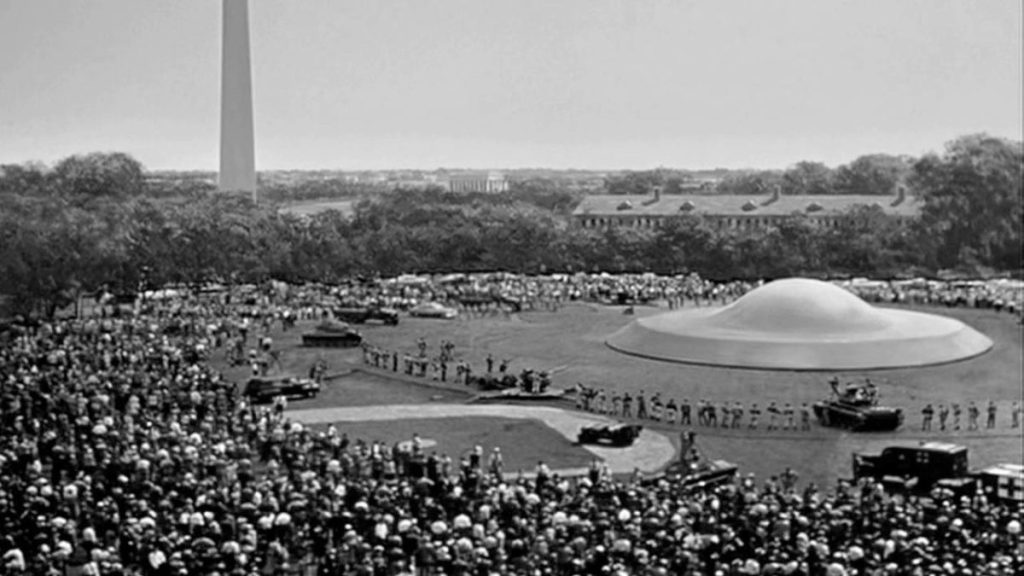
The Day the Earth Stood Still, 1951.
Obviously, I’m never going to get there – so, the best I can do is bring out there, down here.
Astro photography is a very expensive and technical branch of photography. One I thought I didn’t have the money or patience for. Also, I thought I was restricted by light pollution and thought I’d have to drive into the middle of nowhere and sit all night freezing on a hill side. I was wrong.
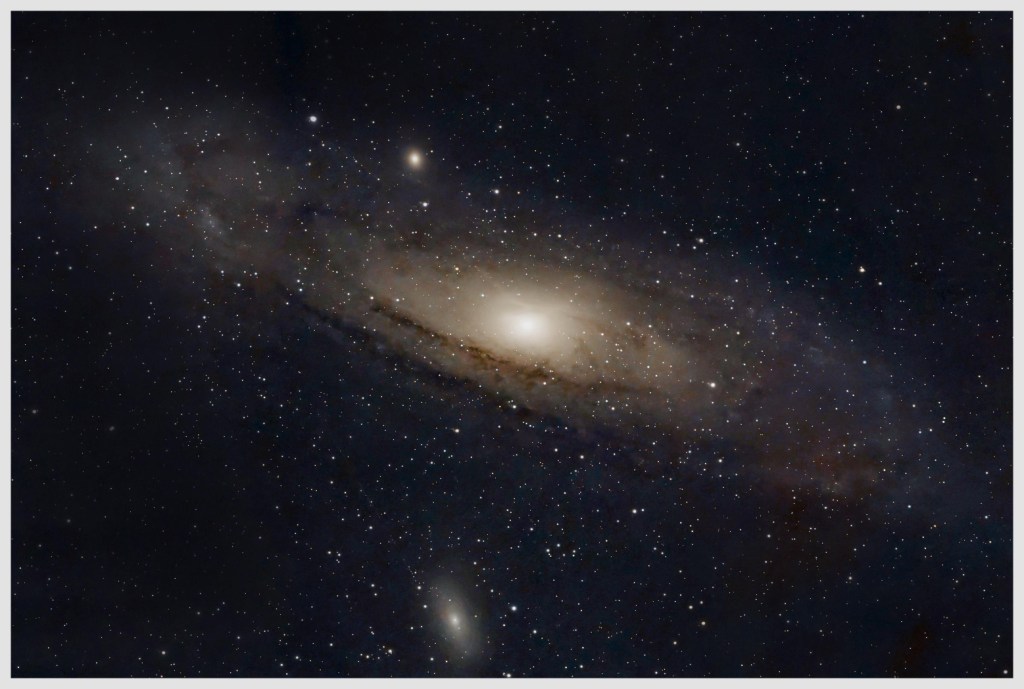
The Andromeda Galaxy, (M31), 2.5 million light years from here.
I took the above image of Andromeda from my back garden with no prior knowledge and a £300 smart telescope. The Seestar S30 is a telescope and camera in one. It runs through an app, uses GPS, stars and a built in compass to determine its location and stacks the images of your target.
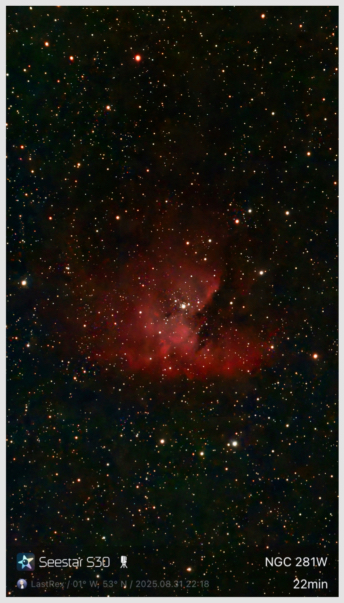
The Pac-Man Nebula, NGC281 9200 light years away.
I’m absolutely blown away that I can sit in the garden on a night and get these images without very little effort from me.
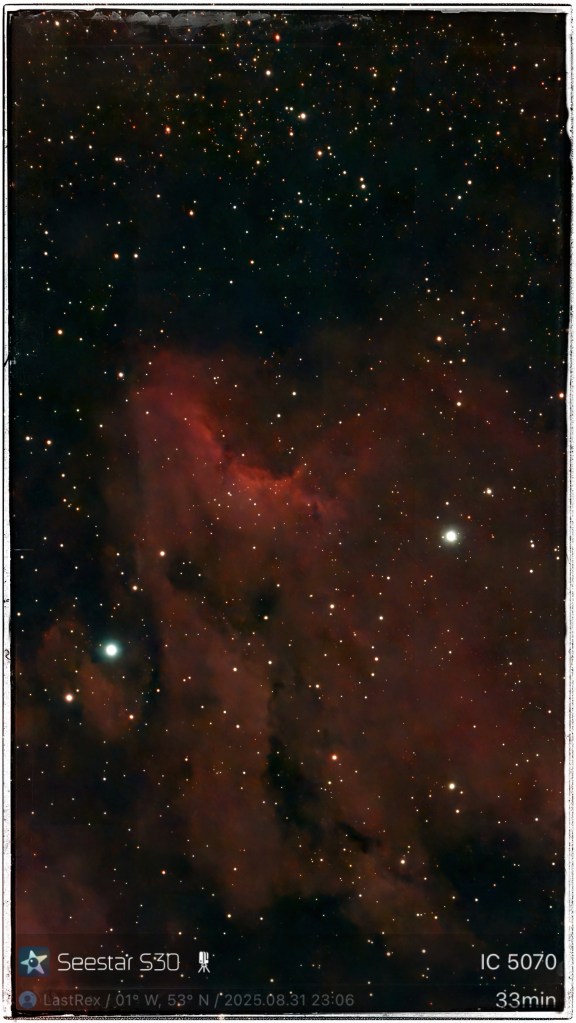
The Pelican Nebula, IC5070, 1800 light years from earth
Obviously, it’s a weather dependent thing and clear skies at night seem rare now I’m looking for them. But, I wish I’d done this sooner. I look forward to sitting out under the stars, cup of tea, hob nobs, the telescope capturing amazing images while I watch shooting stars and satellites fly over head. it’s genuinely good for the mind and soul. I have even considered selling the majority of my camera gear and investing in a more serious set up. But, I have a lot to learn before doing that.
I am not a camera reviewer. I don’t know the science behind sensors or colour processing. I also don’t care about stuff like that. But, if you want a review from a normal person, please read on.
I have wanted a medium format camera for quite a while. I’ve also admired the wide images taken on an X-Pan. Both have been out of reach financially. Also, I’ve moved away from landscape photography over the last few years, and a big heavy medium format camera and lens wouldn’t really fit in with the type of images I capture these days. Then Fujifilm introduced the GFX100RF. A medium format, X100 styled, fixed lens (relatively) compact camera, and I started to think again.
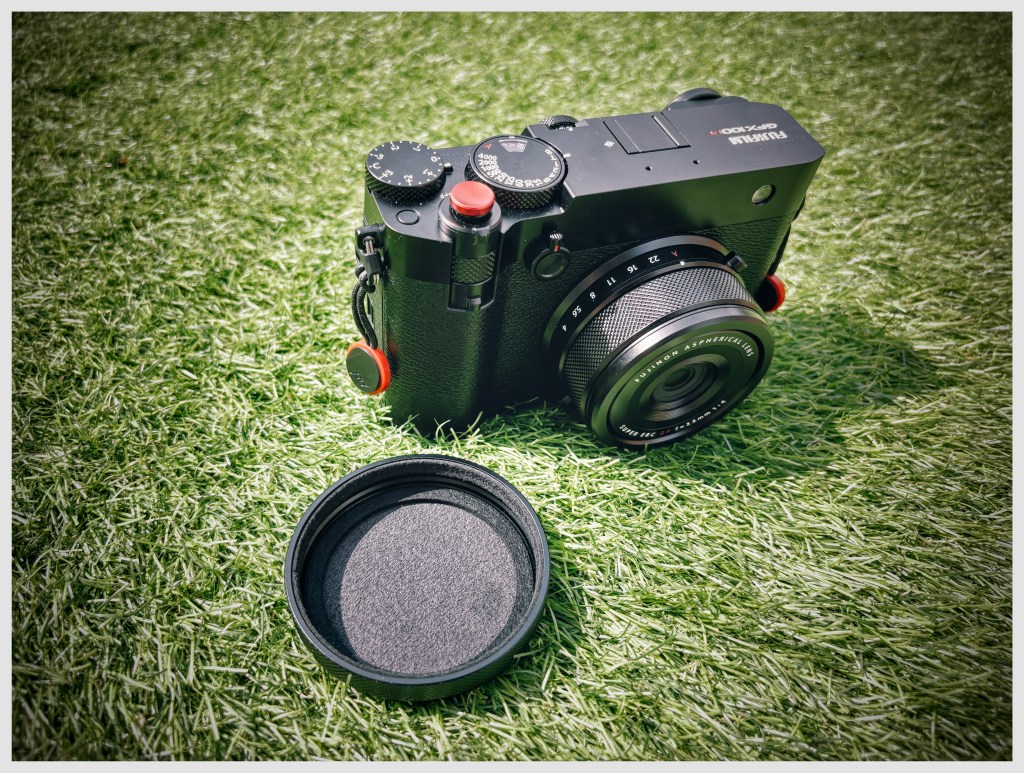
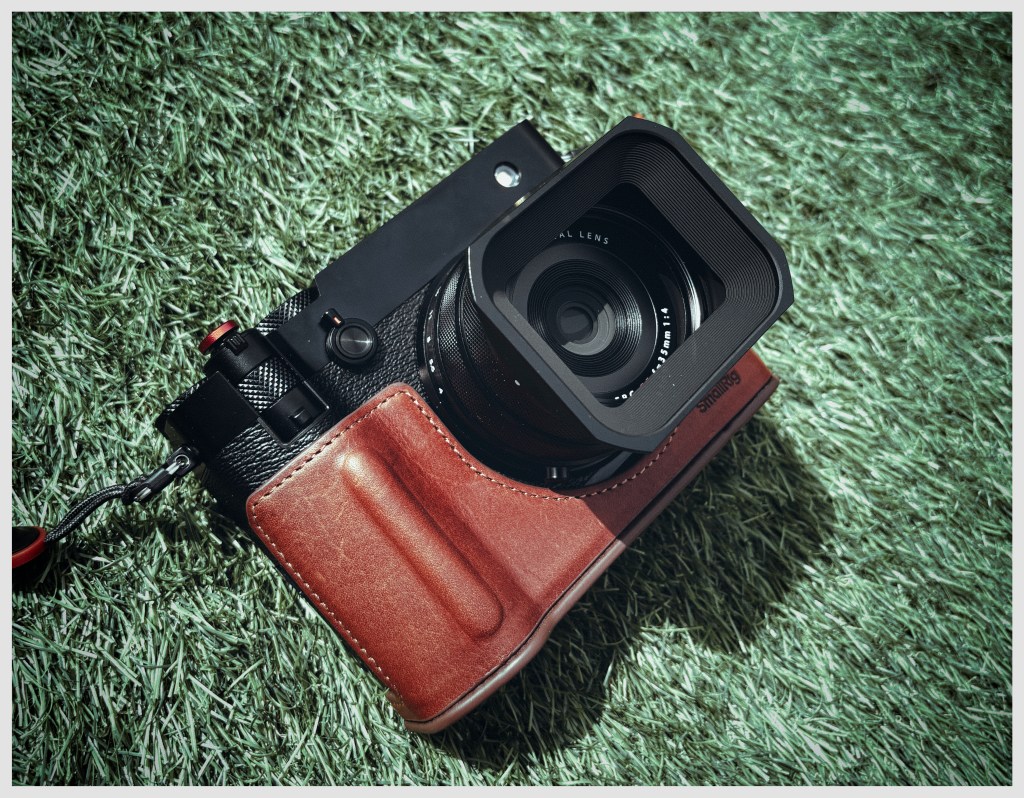
The GFX100Rf without any accessories attached
When I first saw the GFX100RF my first thoughts were of it being an X100VI with a bigger sensor, and that even if it were within my reach I probably wouldn’t buy it. It doesn’t have IBIS. F4 as the minimum aperture, for almost £5k?
Then, I was given the chance to test one out for a couple of weeks. As luck would have it, it arrived just before we went away to Anglesey, and my opinion completely changed.
Let’s start with the looks, because it’s important. I firmly believe that if the user doesn’t like the look of a camera then they’re less inclined to use it. Similarly, if the camera isn’t fun to use – it’ll gather dust.
From the front, it looks like an X100 on steroids. But, there’s no optical viewfinder or flash, so it looks a bit odd. Obviously, concessions would have to be made to make a medium format camera this small so it’s understandable that they’re missing. What the GFX does have that the X100 doesn’t is a digital tele converter dial on the front. This allows you to crop in (at the loss of pixels) in camera. It also has a very different front command dial, which is a taller than usual option, and I struggled to get used to it for a few days. From the top, it’s identical to the X100. Shutter speed and ISO dial, and exposure comp dial. But, there’s also a glimpse of my favourite feature on this camera, the aspect ration dial (more on that later).
The back is a completely new lay out. The (very good) viewfinder. This is digital only, unlike the X100 optical and digital options. Add to that a great screen with the same articulation as the X series cameras. There’s a new style control stick. There’s a second command dial as usual. It’s a bit chunkier so it matches the rest of the camera. I’ve read comments from a lot of people about the new stick, and it’s not very popular. I don’t mind it. It does what it’s supposed to. The focus mode control has been placed on the back. Then there are the usual Fujifilm buttons, AEL, Menu/Ok, Display/Back, Play, Drive/Delete and a very small Quick Menu Button.
Lastly, there previously mentioned Aspect Ratio dial. When I read about this I thought it was a gimmick. Do we really need a dial to change aspect ratio in camera? Why not just do that in post? Then, when I started using it – I got it.
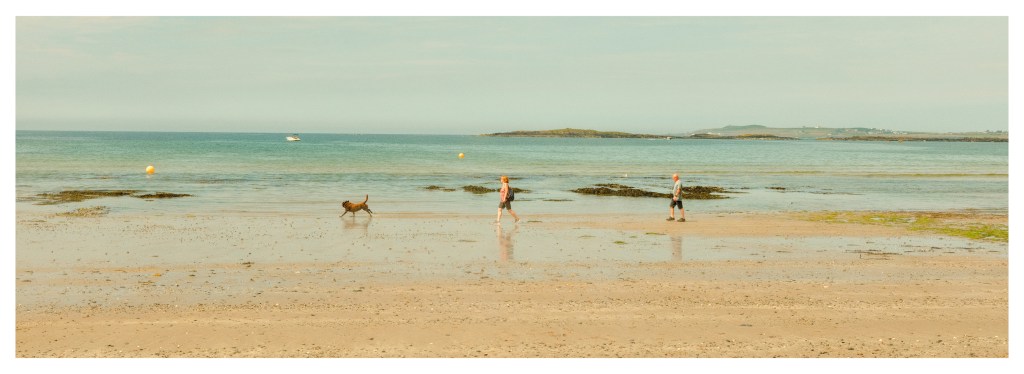
Dog walkers on the beach, Rhosneigr. Looking back.
Using this dial changes the way to approach a subject. It allows you to compose in different ways. It gets you thinking. Yes, you can do all that in editing, but this lets you see it there and then. Having that ability will change the way you view an image. For me, it adds to the Fujifilm ethos of doing as much as possible in camera. Set your film sim, set your aspect ratio, job done. Having the dial where it is lets you flick through the options whilst looking through the viewfinder. I even got experimental in York and tried portrait 17:6. Not with any great success, but it was fun trying.
17:6, Coppergate, York.
Queueing for Betty, York.
The camera also does as good as you’d expect in the more ‘normal’ aspect ratio too. And, I can’t say I missed IBIS. It didn’t occur to me that it wasn’t a feature.
As I said at the start, I’m not a tech head or pixel peeper. I don’t care about that stuff, and given my limited vision it wouldn’t make any difference if I did. I have happily made photographs in jpeg, straight out of camera with this camera and done only very minor editing when needed. So, do I like this camera. Yes, very much. It’s nice to use, a decent size (for medium format), not too heavy. It feels nice in the hand and wasn’t obtrusive when walking around. Anyone familiar with Fujifilm cameras would be able to pick this up and make photos with it.
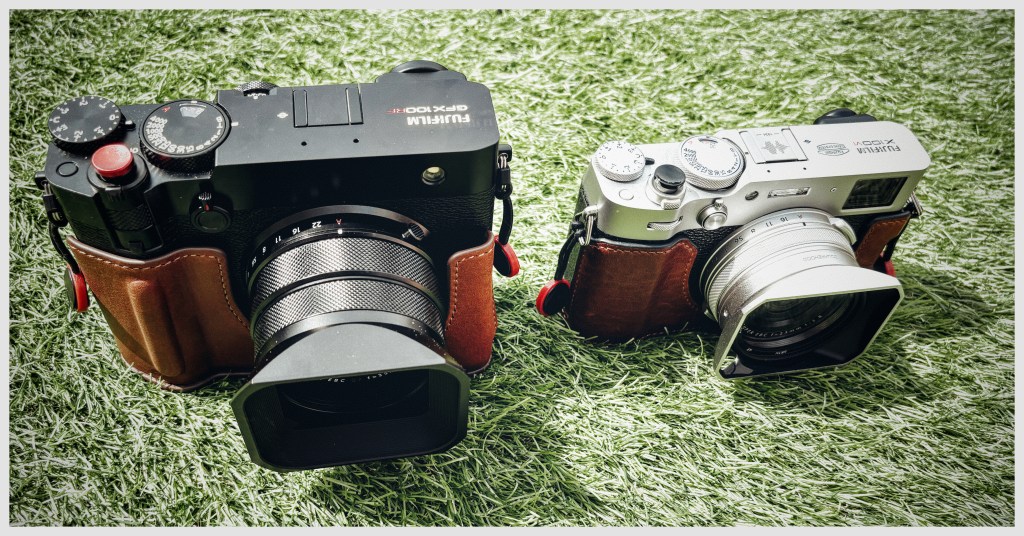
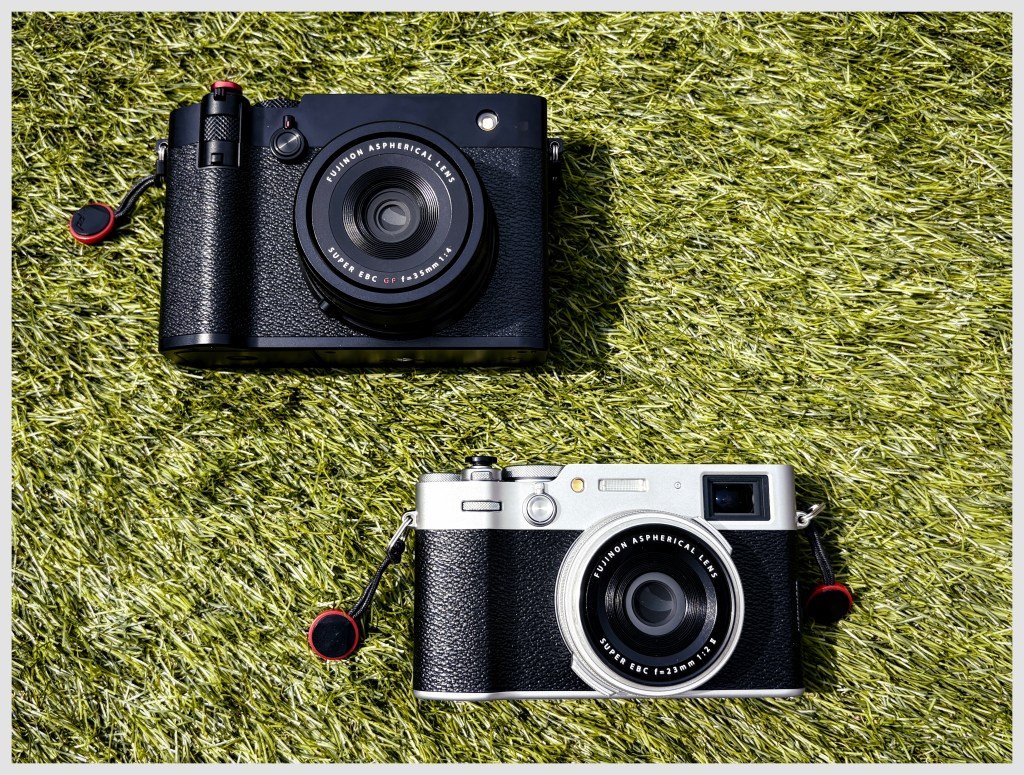
Now to the obvious question – is it better than the X100VI? This is undoubtedly the question most people have asked. And, it’s a reasonable thing to ask, especially given the price difference.
David and Goliath?
If money was no object I would struggle to choose. The GFX is technically superior in some ways, and I had a lot of fun using it. I absolutely love the quality of the images it produces. Medium format really does make a difference. But, I feel it may be wasted on me as I don’t print my work. I mostly publish my images online, so an X100Vi is still a bit of overkill.
Looks wise, the X100Vi has it
The X100 can go anywhere. And, well just look at it – it’s beautiful.
I think the best way I can sum this up is this. If you already have an X100 then you’re not missing out on the GFX100Rf. If you don’t have either, and can spend the extra, then the GFX is a wonderful camera that will serve you well for a very long time.
I can’t believe I haven’t written anything here since April. It’s been a roller coaster couple of months with the arrival of our new granddaughter, Nellie. A complicated delivery, and prolonged hospital stay for mum and daughter and time flew by.
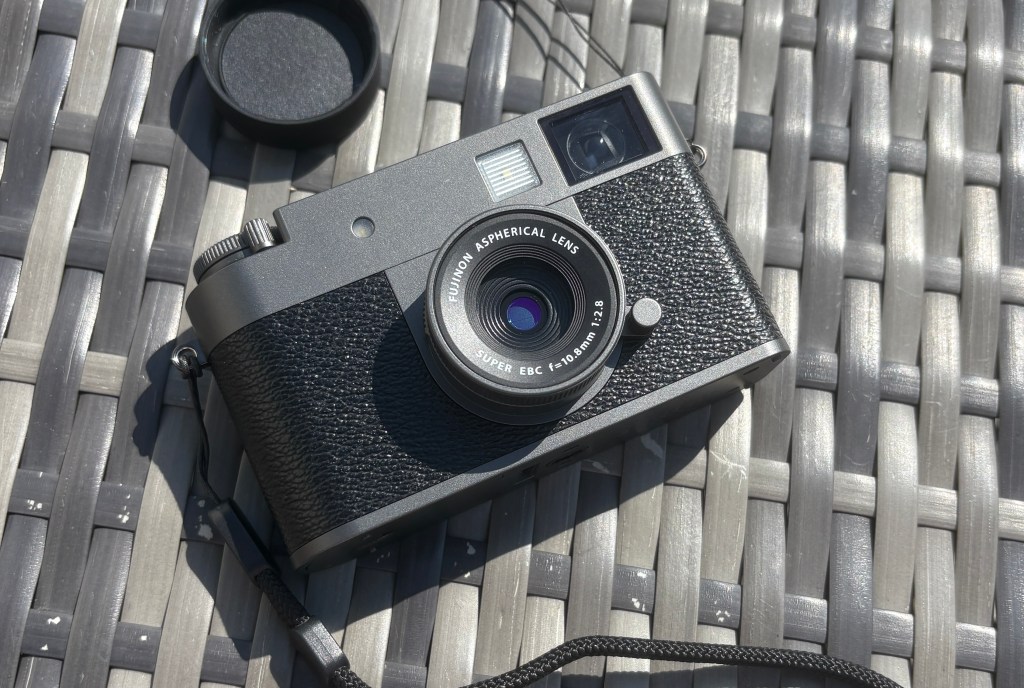
So, to photography. Last week I picked up the new Fujifilm X-Half. After a few days here on Anglesey I’ve gathered some thoughts. I don’t have the technical knowledge to write reviews, so if you want a qualified review, head over to DP Review. This is just my experience as an amateur.
I should start this by saying I knew this wasn’t comparable to my X100 cameras, or my Ricoh GR3s’. I knew this would be more a of a family snaps style camera.
Why did I buy this camera? I like the idea of a film like work flow. The film mode should make it so you choose a film sim and set the number of exposures you want to take. Then the camera locks the user out of changing any settings other than aperture (the camera has aperture priority, or auto modes). Once you’ve taken the full roll of film, you ‘develop’ your exposures in the app.
So far, I’ve tried three times to use this experience, twice it’s failed and gone back into normal shooting mode. The one time it worked, I found the ‘developing’ process an unnecessary gimmick. It takes a while, and serves no purpose. If you could change the look of the final image during processing, then that would be fun. It would be educational tool on how film development works.
How does it work as a camera? It’s ok. But, just, ok. The most frustrating thing is the lag. There’s a seriously annoying lag from pressing the shutter to the ‘click’ of the image being captured. This needs addressing in an update. My wife took several photos and she couldn’t tell if the camera had worked.
The rear screen is very poor in any shade of daylight. You can’t see it at all. Which, isn’t an issue if you use the optical viewfinder to compose, but in film mode you can’t see how many exposures you have left, or if it has moved to the next frame (when it works).
The images aren’t great. I expected the same or slightly better quality than my iPhone 16. My expectations were too high. My iPhone is infinitely better. There’s no RAW, but I knew that before I bought it. Fuji’s jpegs are generally brilliant, so I didn’t mind. Maybe it’s the one inch sensor? Sony did a decent job on one inch sensors though.
A lot of this wouldn’t really be an issue IF this camera didn’t cost £699. If I’m honest, this acts and feels like a toy camera. It should be called ‘my First Fuji’.
If I was asked to name a price to buy this, I’d say £100 a most. Do I feel a bit ripped off? Absolutely.
Out of curiosity I looked at what I could have bought for £699.
That’s just three of a much bigger selection. I had to stop looking because the more I looked, the more I felt like I’d wasted my money.
If you’re looking for a small, fun camera then look at a second hand Lumix GM1. You can get one with a decent lens for less than this.
Can the issues in the X-Half be fixed? Maybe an update can fix the lag and the film mode failures. Maybe it could improve the final images. The screen will always be rubbish.
I’m tempted to sell if before the world realises how bad this camera is. Fuji, I expected a lot more from you.
Update; I ended up selling this camera to MPB, at quite a hefty loss. Lesson learned? Probably not.
2nd Update. I changed my mind and kept it. Maybe I didn’t give it enough of a chance.
April has been an absolute cracker of a month weather wise, and yesterday was no exception. With some free time on my hands I decided to take a bike ride and took along one of my Ricoh GRIII (the none X HDF version).
Yes, I have two GRIIIs, what’s the problem?
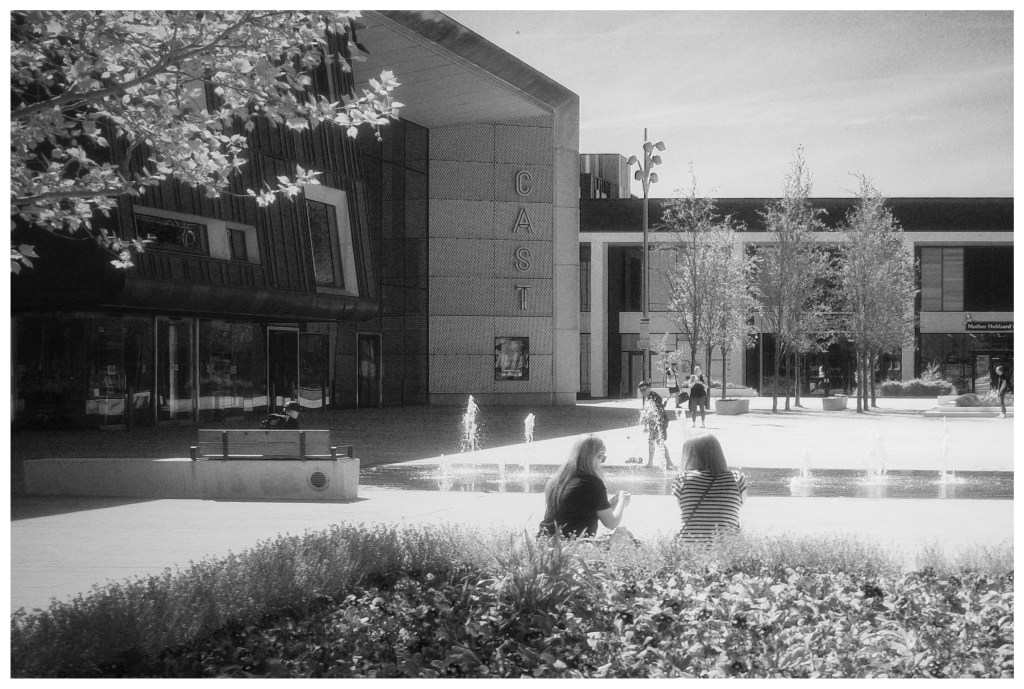
I didn’t have a destination in mind, or any kind of photography goal. The only thing I wanted to do was have a steady bike ride, and if I saw something worth photographing at least I was prepared. 30 minutes after leaving the house I found myself in Doncaster City Centre (I’ll never get used to Doncaster being a City).
Doncaster has a bad reputation, and in some cases it’s warranted. It has the same issues a lot of town centres in the UK have since the internet killed shopping as a past time. But, there is a new Civic Centre, which is all new and shiny and worth a visit.
It doesn’t seem to fit the rest of Doncaster, and maybe that’s a good thing. The buildings are shiny and glossy and people seem to find it a nice place to sit and enjoy the sun.
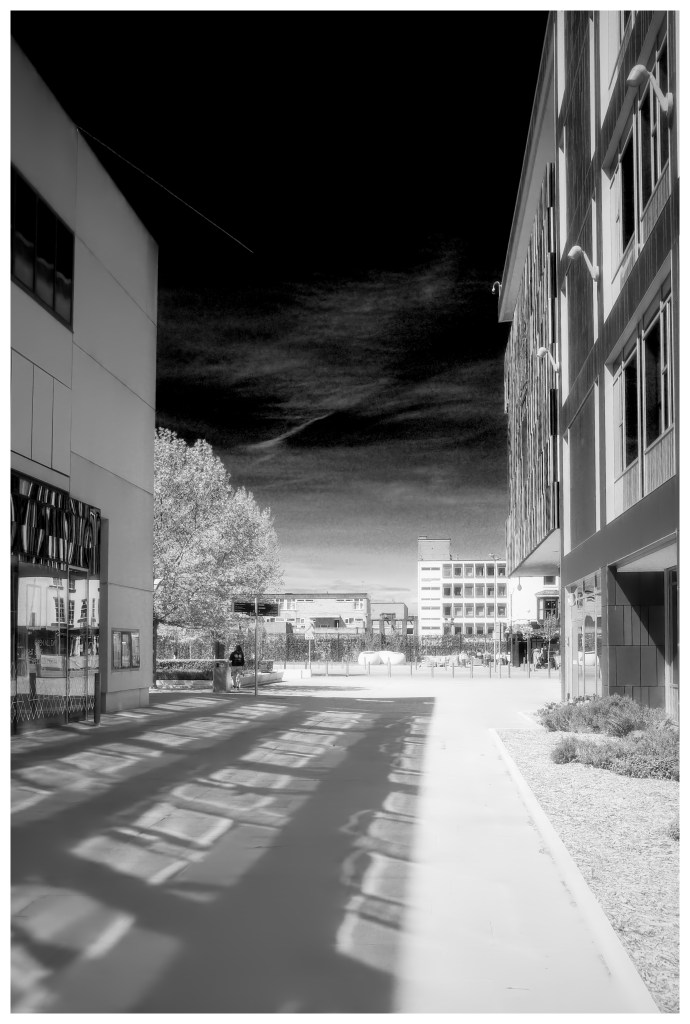
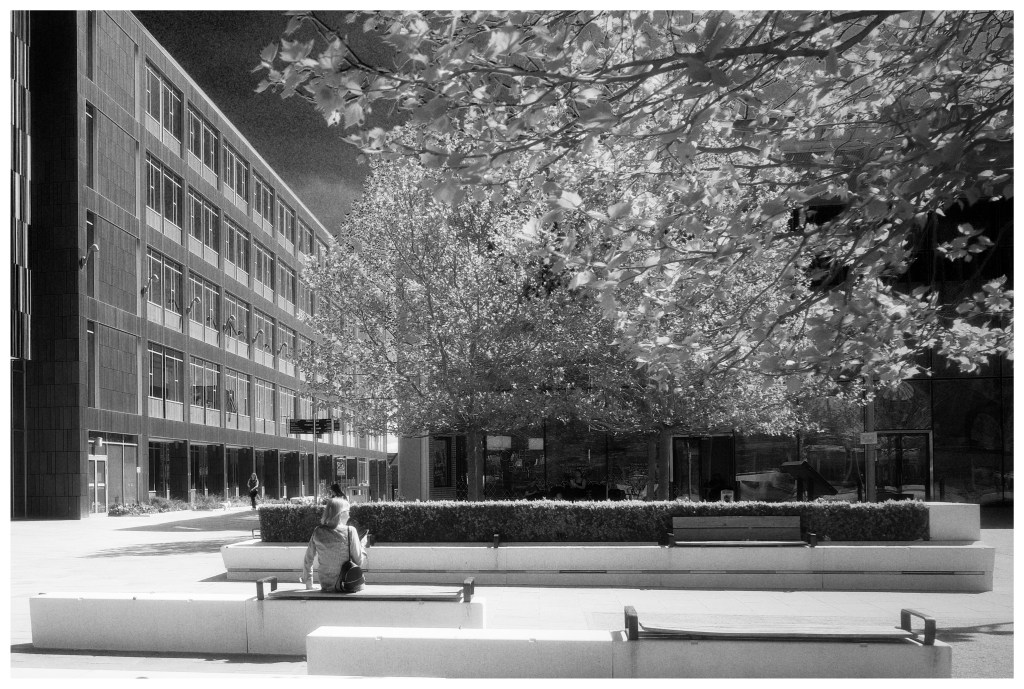
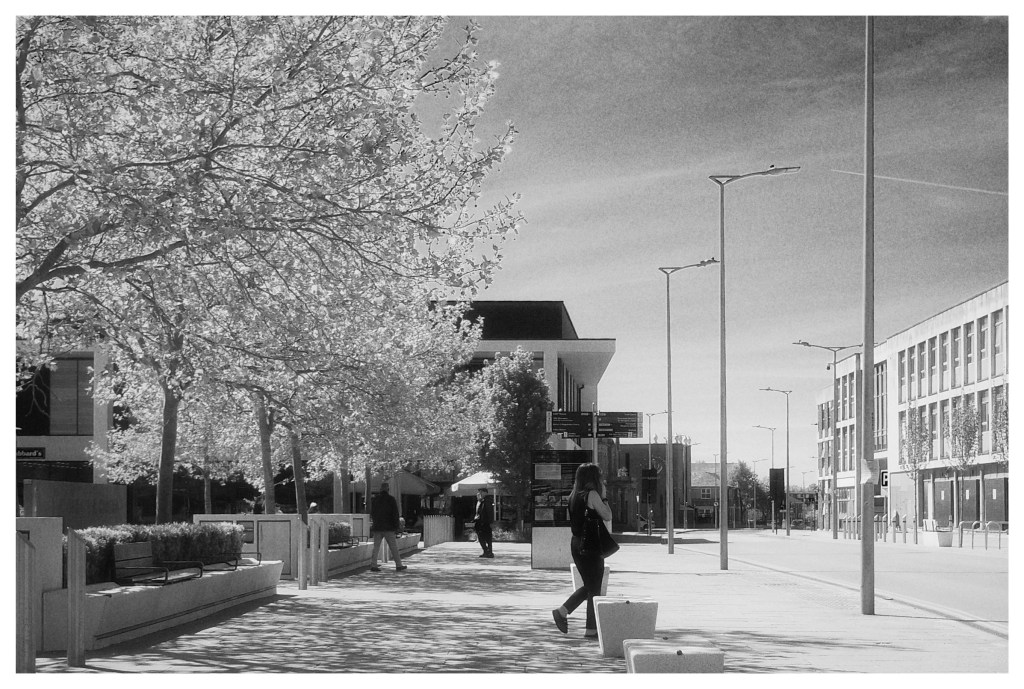
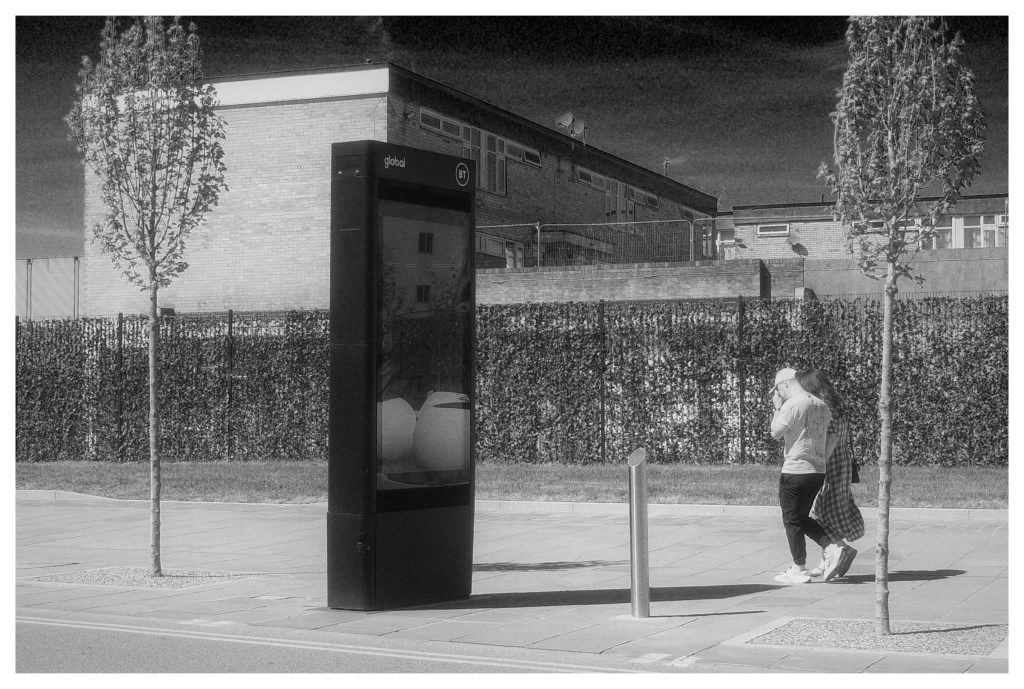
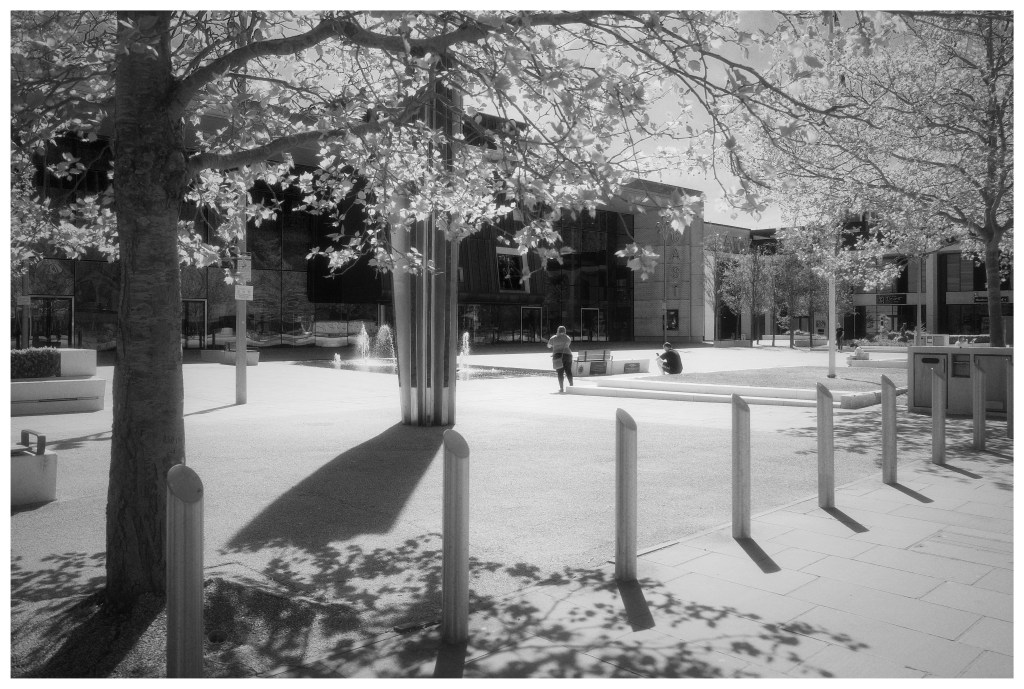
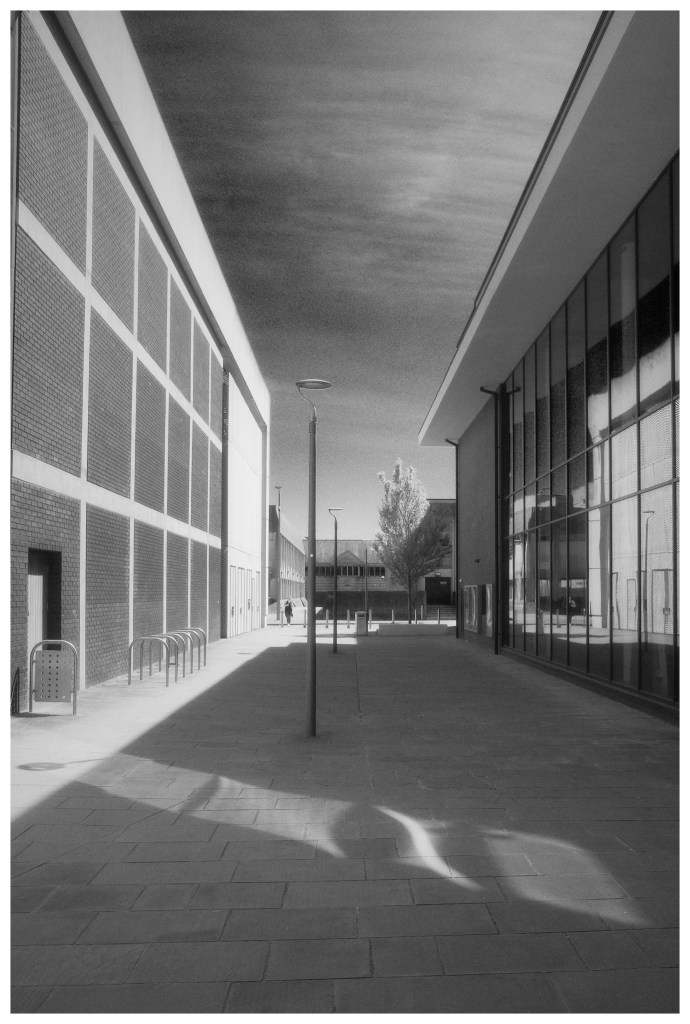
As it was the middle of a very sunny day Decided to shoot with the B&W Negative +Red Filter from Ritchie’s Ricoh Recipes. You can find it here; https://ricohrecipes.com/the-bw-collection/ I love the almost negative look it gives, especially with the blue sky. It’s almost black. The sun creates a lovely contrast and it works really well in bright light. I left the HDF filter on to add a bit of glow.
This is my favourite image from the day. I love the tree. It looks like it’s reaching for the woman, and she adds a sense of scale.
Here’s the rest of the images from the day.
I was recently asked why most of my images were in black and white. I struggle to see details because of my sight loss, but I can see contrast. Black and white helps me see my subjects.
I enjoyed my trip into town. I’ve never thought of it as a photographic destination. Maybe I’ll go back and see what else it has to offer.
My aim this year has been to take more photographs, and while I have actually done that I haven’t taken anything worth sharing. What I have found that is worth sharing is a Youtube video from Thomas Heaton.
I’m a big fan of Thomas and I’ve followed him for years. But, this is my favourite video of his to date. As someone that is visually impaired I have had my battles with sticking with photography, but a few years on I have found a way that works for me. Gary (the star of the video) has a similar method where he looks for contrast, which is what I also do. It’s why I’ve made the move to black and white, because I see the shapes and the contrast more than the colour and the details.
I don’t hate the camera on my phone, but I am not a fan of using my phone as a camera. It’s big (bring back the iPhone Mini), and the controls are rubbish, and making manual adjustments takes too long. I wanted something to take on days out with friends (which usually involves drinking), or on a city break. Something that was small and easy to use.
The X100vi is still a fairly hefty camera, and definitely not pocket-able. So, I decided to dig out my point and shoot.
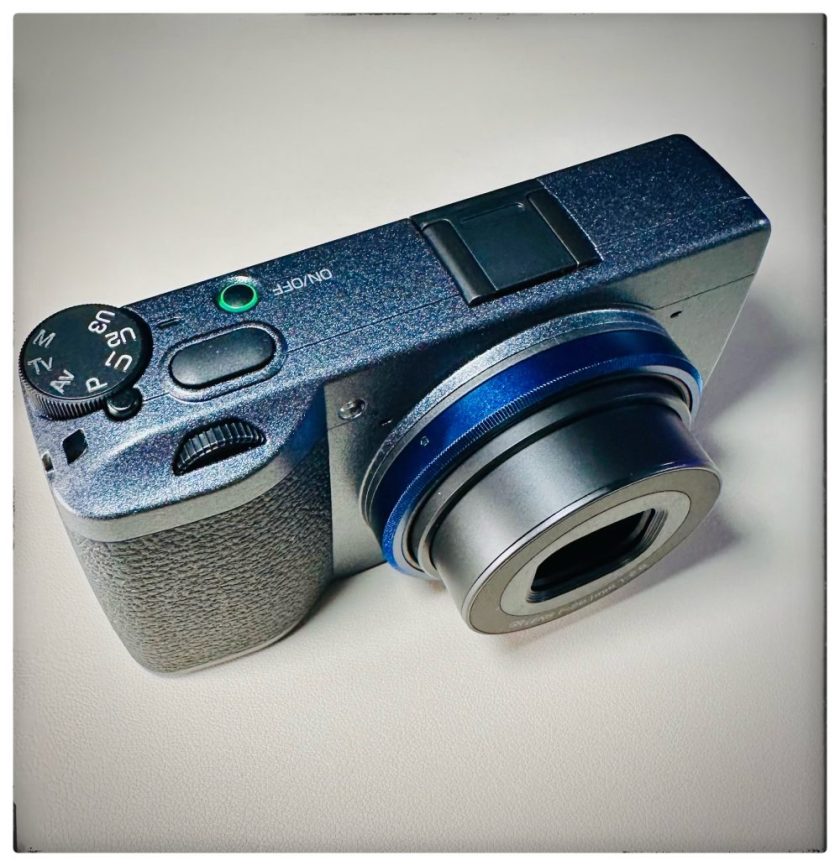
My GriiiX Ubran Edition
This camera has been sat in my sock drawer for a good few years and hasn’t been used. It wasn’t cheap and I have thought about selling it a bunch of times. But, I’m glad I didn’t because I haven’t given it a fair chance.
This isn’t a review, there are a million already out there by much more qualified people.
I love the sound this camera makes when you turn it on. That’s a good reason to buy a camera right? It’s the little things.
I like to use this camera in aperture priority (AV) mode. It can be used fully manual, but with a camera this size I just want to worry about the aperture. As I’m using this as a point and shoot I don’t want to spend lots of time editing. So I generally just use the straight out of camera Jpegs.
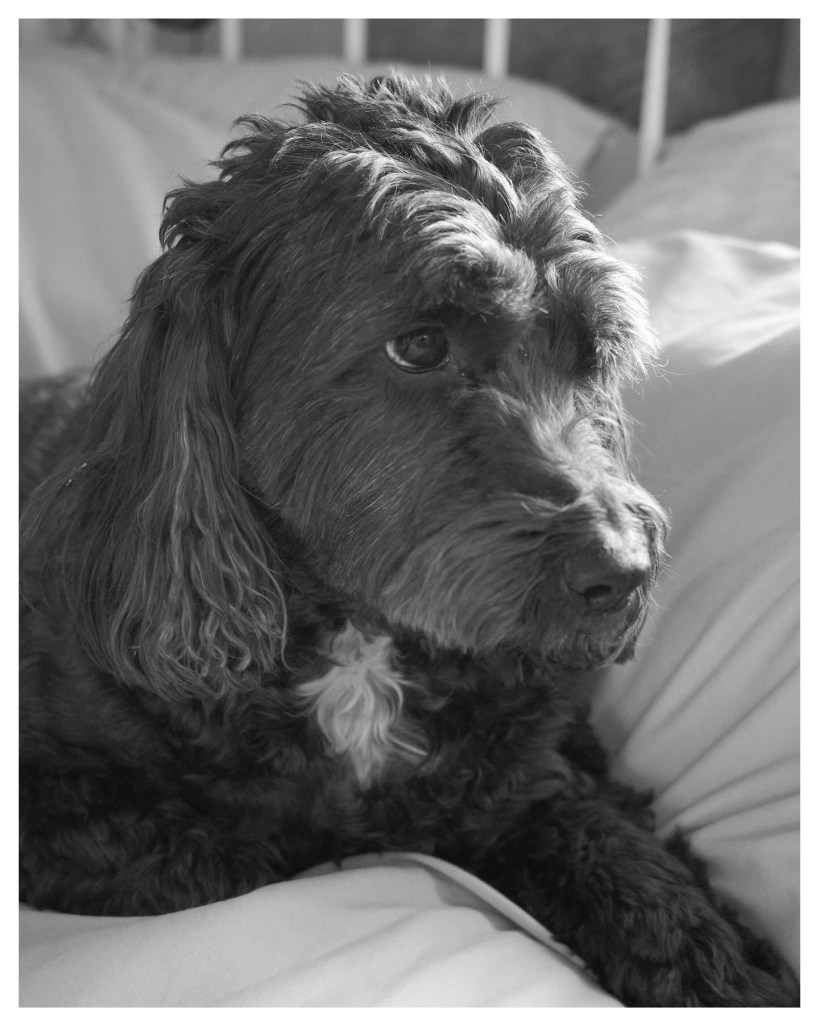
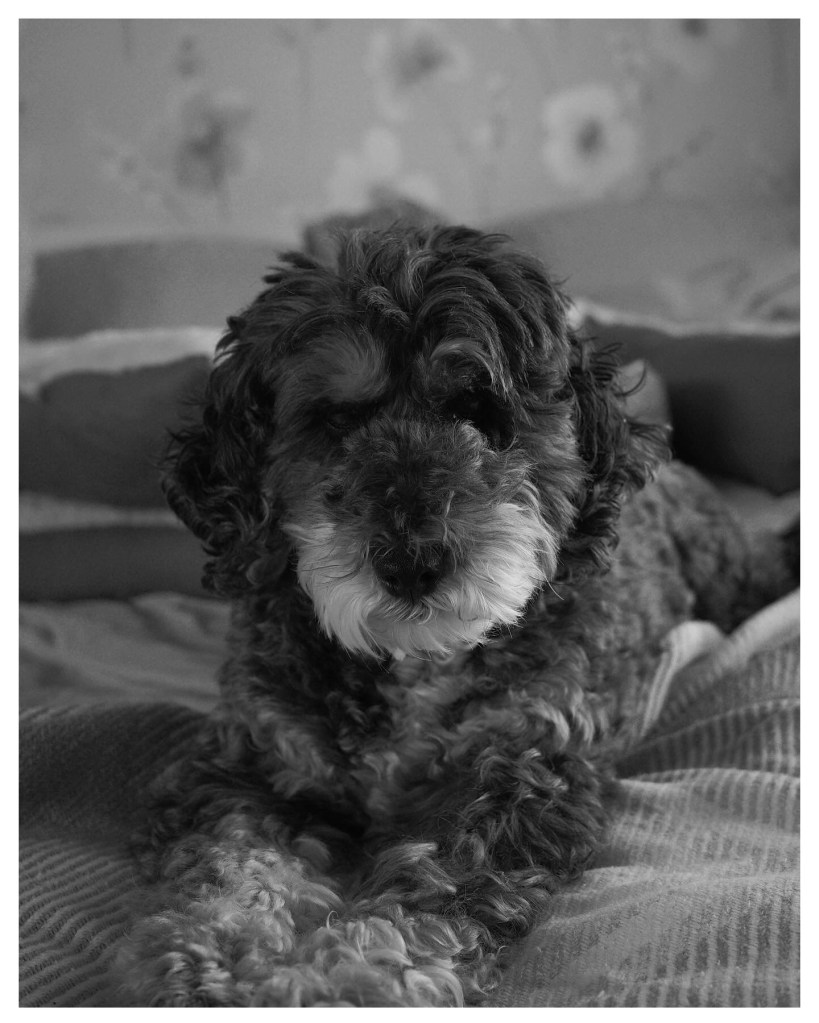
My lovely MollyCheeky Hetty
I have three presets on the dial for different colour profiles, Kodak, Portra and Ilford Black and White. But, the built in colour modes are good too, and easy to access from the control dial.
In my last post I wrote that I wanted to take more photos this year, and photos of our life rather than just one I’d put in my ‘portfolio’. This camera will definitely help with that.
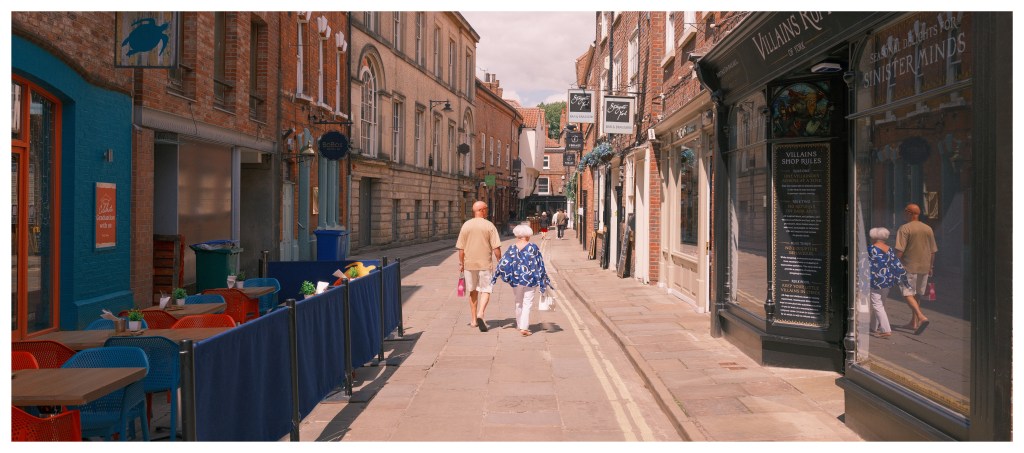
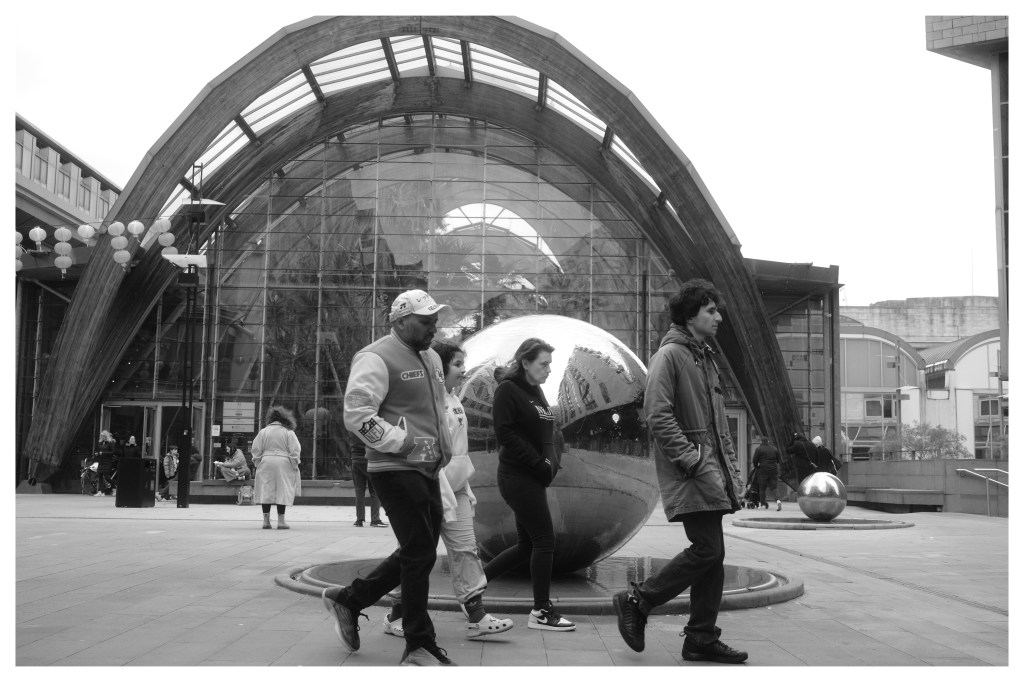
I love Sheffield. I think it’s a bit of a forgotten city, even here in Yorkshire people think Leeds or York are where it’s at. But, Sheffield has such a lot going on and a nice friendly atmosphere. I was there the other day to meet some friends for lunch, so I decided to go a little early and capture a few images, and as is usual these days my Fuji X100VI went with me. I was short on time, and didn’t get to explore as much as I’d have liked, but it’s only down the road so I will make the time to take a trip there just for photography.
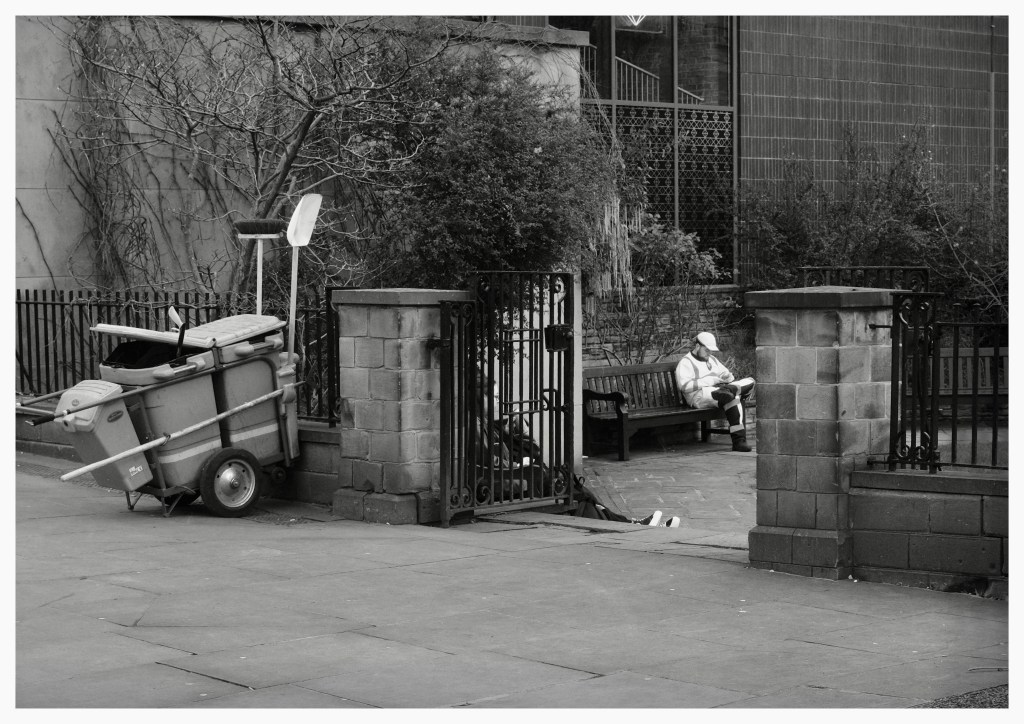
This was an instant click of the shutter button. As soon as I saw this scene. I loved the trolley being parked up while the bloke had his break.
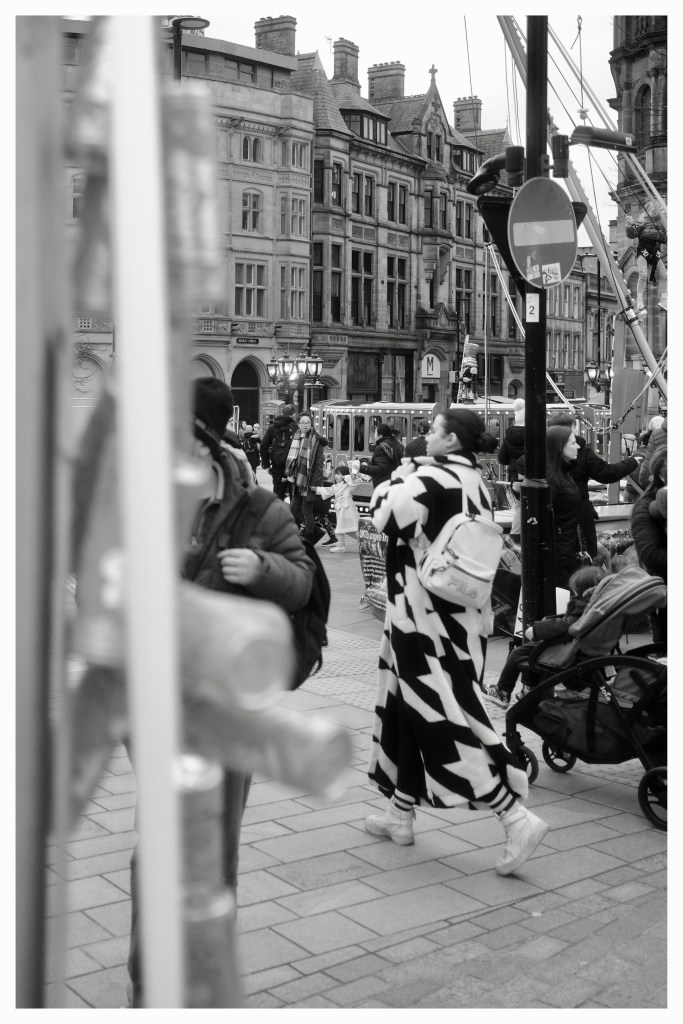
I saw the girl in the coat a little too late, so she’s out of focus. Let’s pretend she’s moving really fast and it’s intentional.
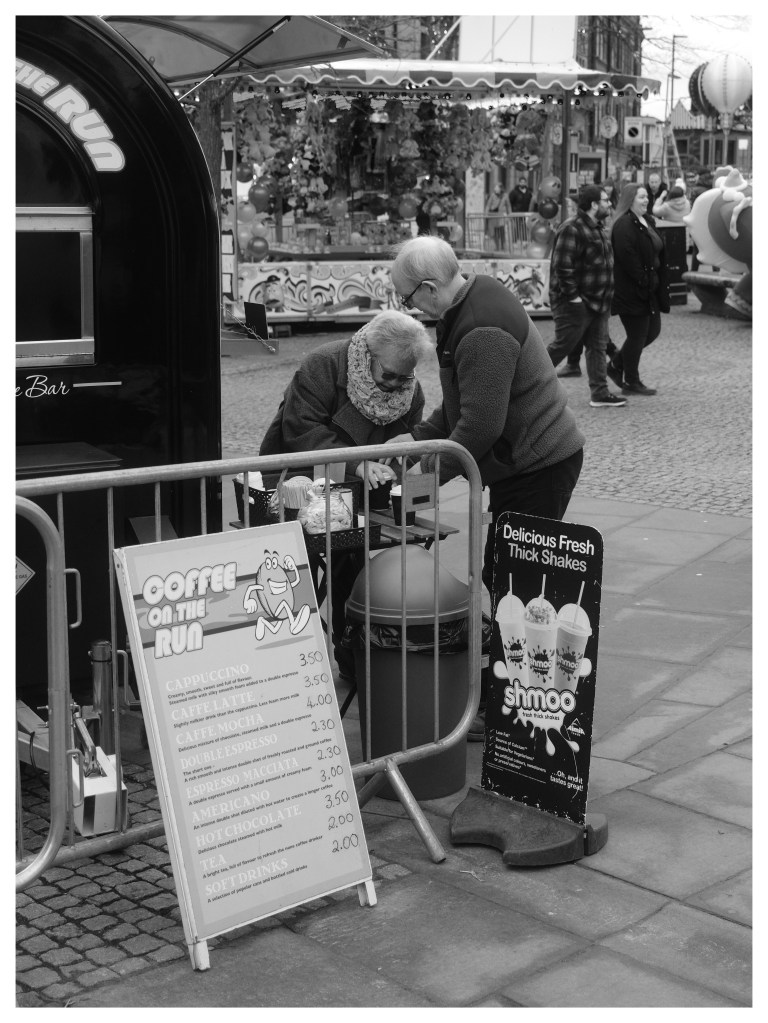
I would have prefer just the Crepe stand, bt it was so busy. But, the point of street photography is to capture what’s going on.
I love older couples, I’m an old romantic. She was helping him get the lid on his coffee, after losing patience with him. It reminded me of my wife.
I need to go back and take this again. There’s better framing to be had.
What did I learn? Well, nobody cares if you’re taking photographs, so I don’t need to stress about street photography as much.
I need to change the focus modes on my camera. I’m still in landscape mindset, so autofocus isn’t set to ‘continuous’ and my focus is on fixed central point. Every day is a lesson.
I’ve never been one for New Years resolutions, and if I have I doubt I ever kept them. But, this year I have decided to set a couple of photography goals. The first is simply to take more photographs with the aim for getting four ‘good’ images a month. What’s a good image? That’s subjective, obviously – but for me it’s something that I like enough to post on the front page of in the portfolio section of this site, but that doesn’t happen very often. For example, I went out the other week and took 129 photos, and kept only three. Of those, I’m happy to post them in my blog, but not anywhere else.
My second goal is to take more candid photos of family and friends, not just photographs that (in my head) are worth sharing with other photographers. Our first grandchild is due this year, and the older I get the more sentimental I am. iPhone photography doesn’t do it for me, it’s the buttons – there aren’t any!
My last goal is to simplify my whole process, by having less process. For the whole year I’m only going to shoot in JPEG, and do as little post processing as possible. One of my favorite things about Fuji cameras is the Film Sim bracketing, which allows me to take three photographs at once, each with a different film sim. Then, there’s the endless recipes for creating filmic looks. I’m hoping it will make me compose better in camera. I’ve got rid of my Adobe subscription. I begrudged paying it, but it was the standard and everyone was using it. I’m going to do as little editing as possible, so I need need a fancy bit of software.
I really want 2025 to be more relaxed, and fun. Hopefully that will come across in my photography.
Time flies, doesn’t it? It feels like just yesterday we were celebrating Christmas, but here we are at the end of 2024.
I didn’t have any specific photography goals at the start of the year. I’m not really one for New Year’s resolutions. But life has taken some interesting turns.
I switched from using Lumix cameras to a Fuji cameras. That brought its own set of challenges. The most positive being that I don’t spend as much time editing as I used to. I’m a big fan of the film simulations, so I focus more on getting the shot right in the camera rather than in Lightroom.
I tried my hand at street photography for the first time. It was a bit nerve-wracking, but I had a blast. I love seeing other photographers’ street work, and I’ve been collecting books on the subject. Mr. Whisper’s work is really inspiring (more on him next week).
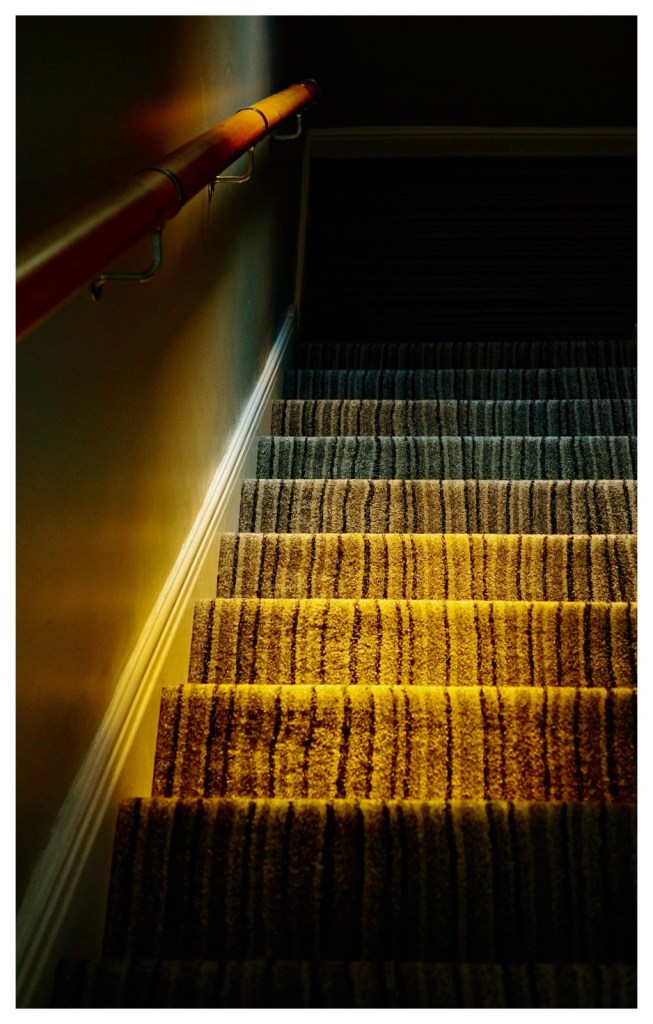
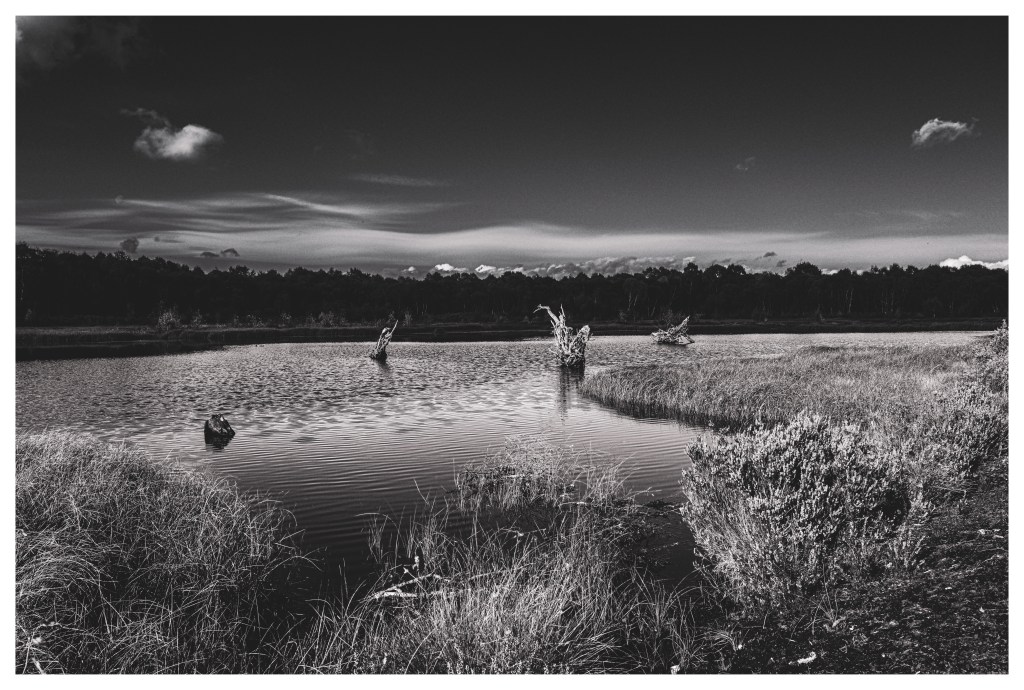
I discovered new local spots to photograph, which got me into clouds (especially in black and white). I hope to explore that more next year.
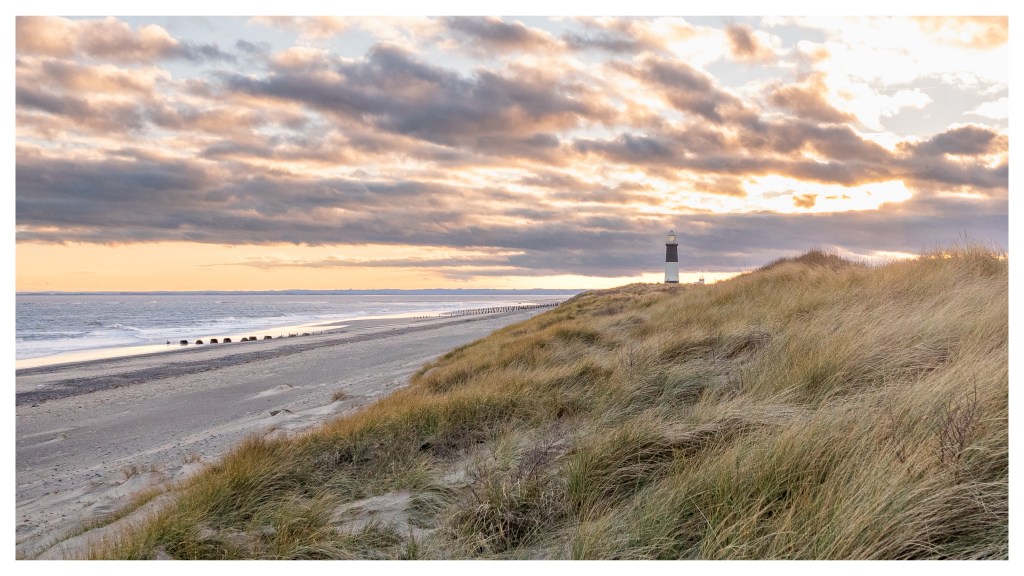
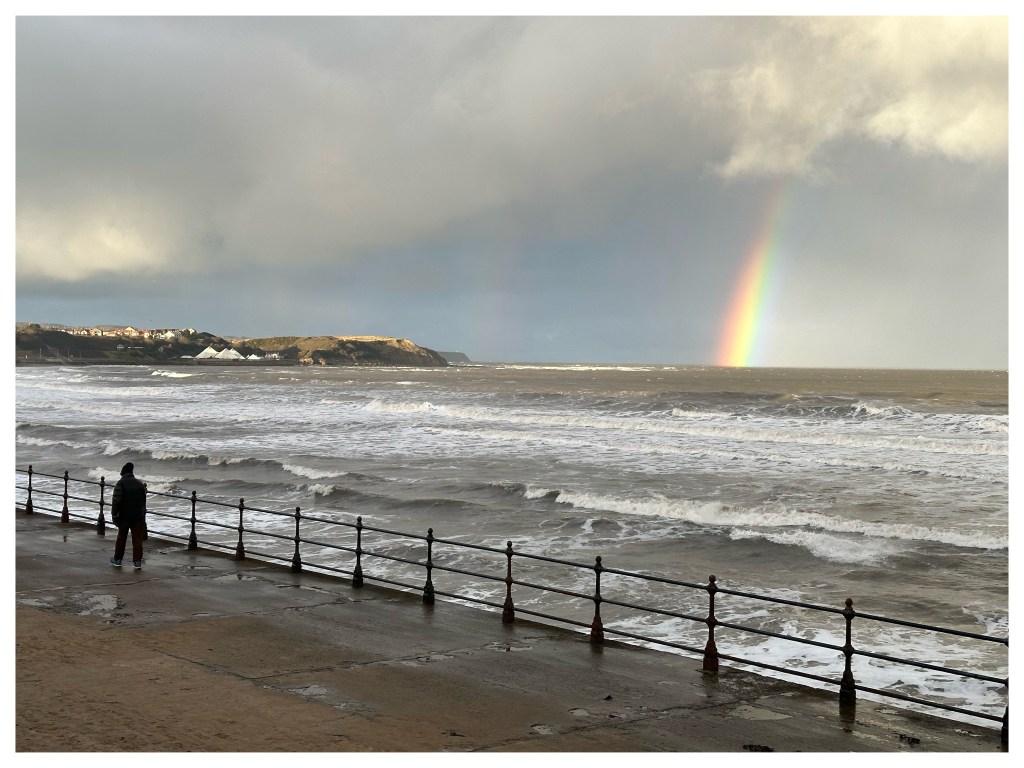
We also managed a few trips away.
So, while it wasn’t an incredible year overall, it wasn’t bad either. And most importantly, I still love photography.






 Shaun Madill Photography