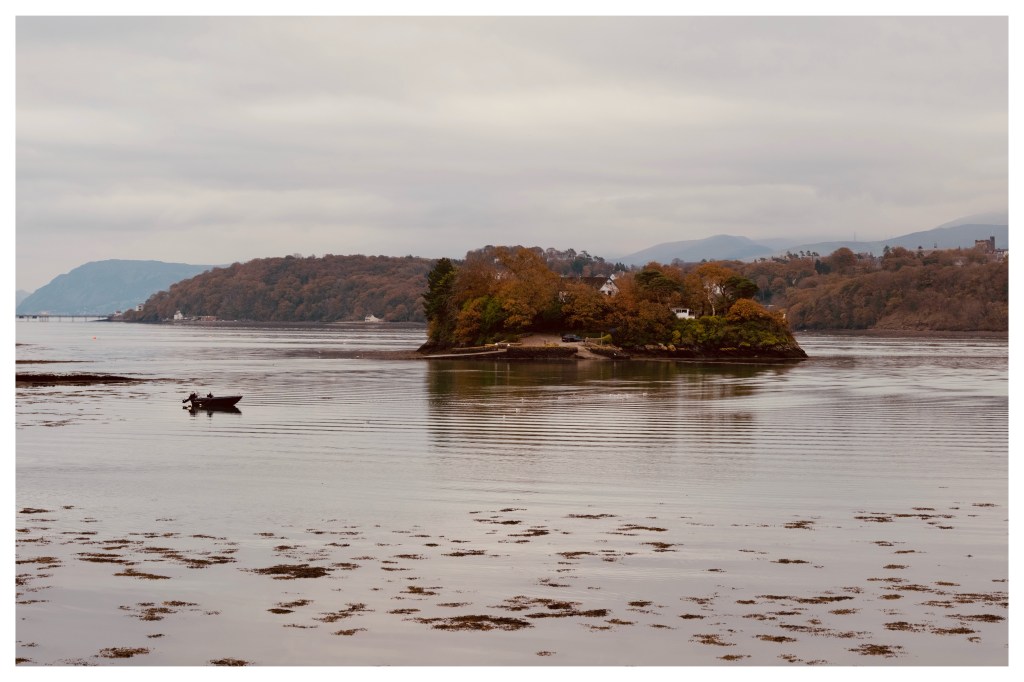
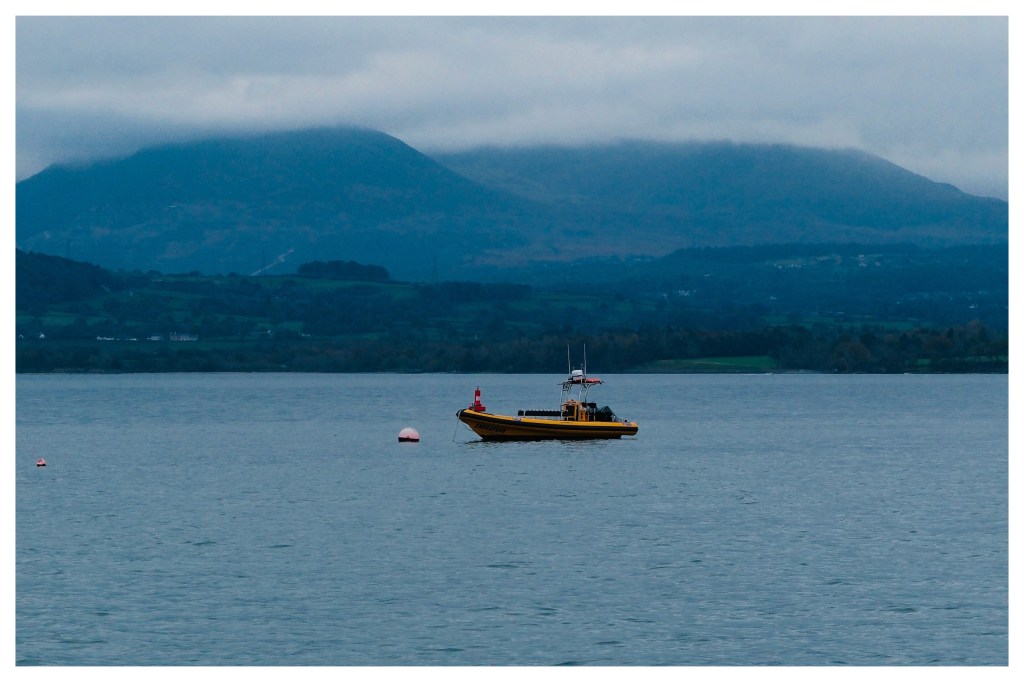
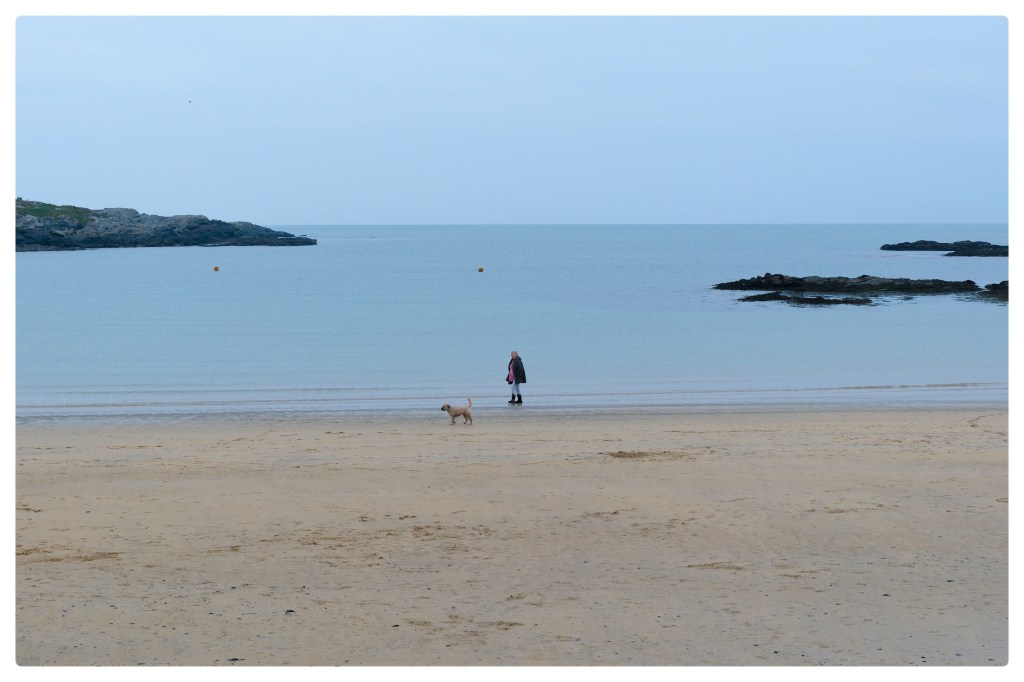
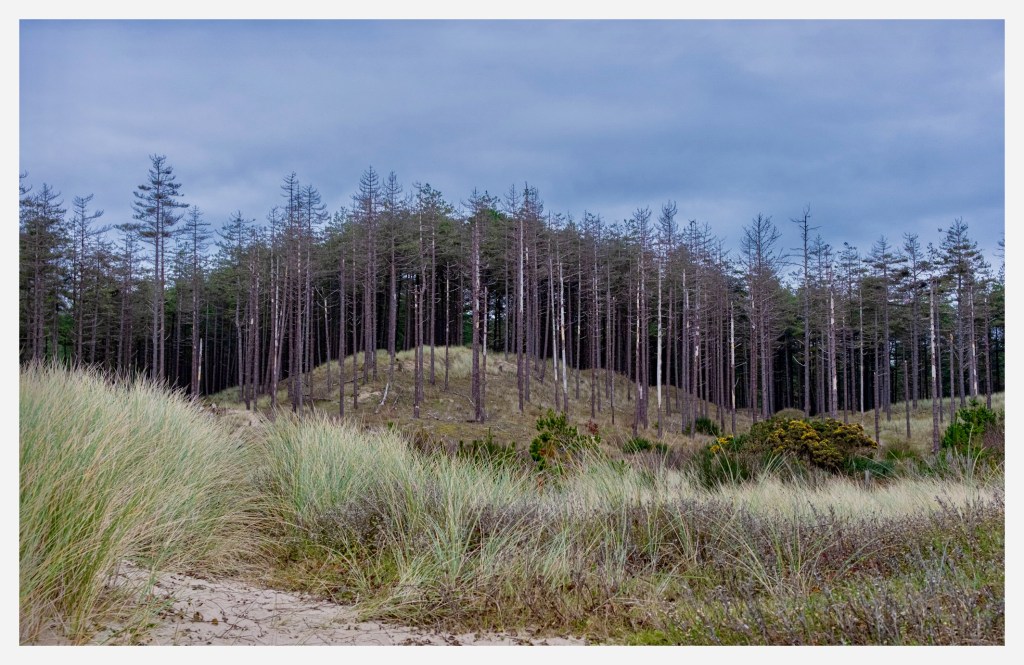
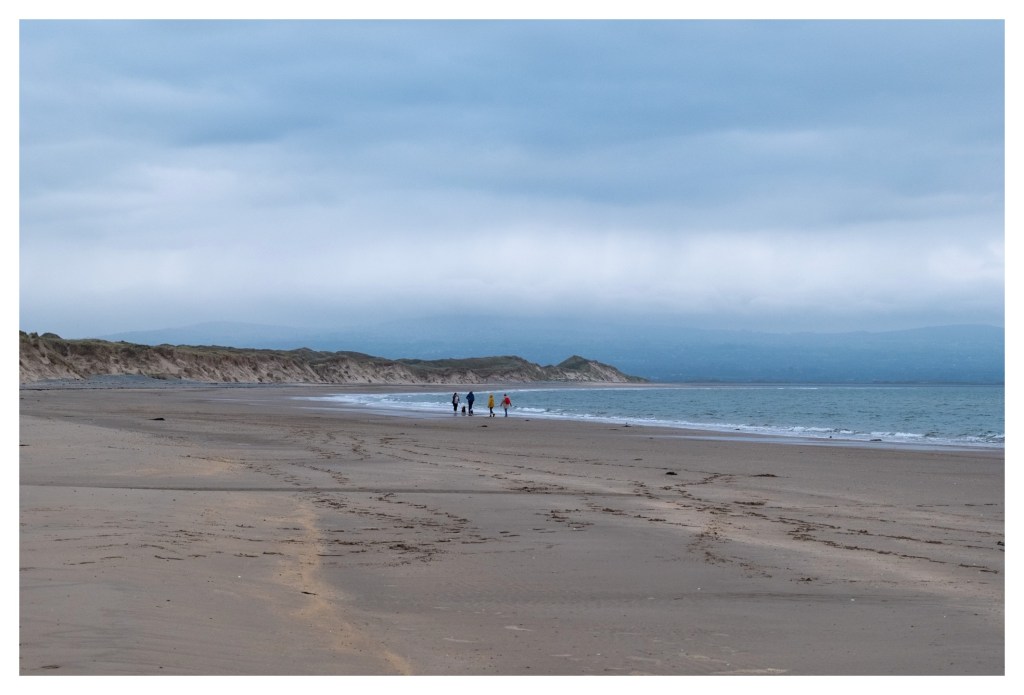
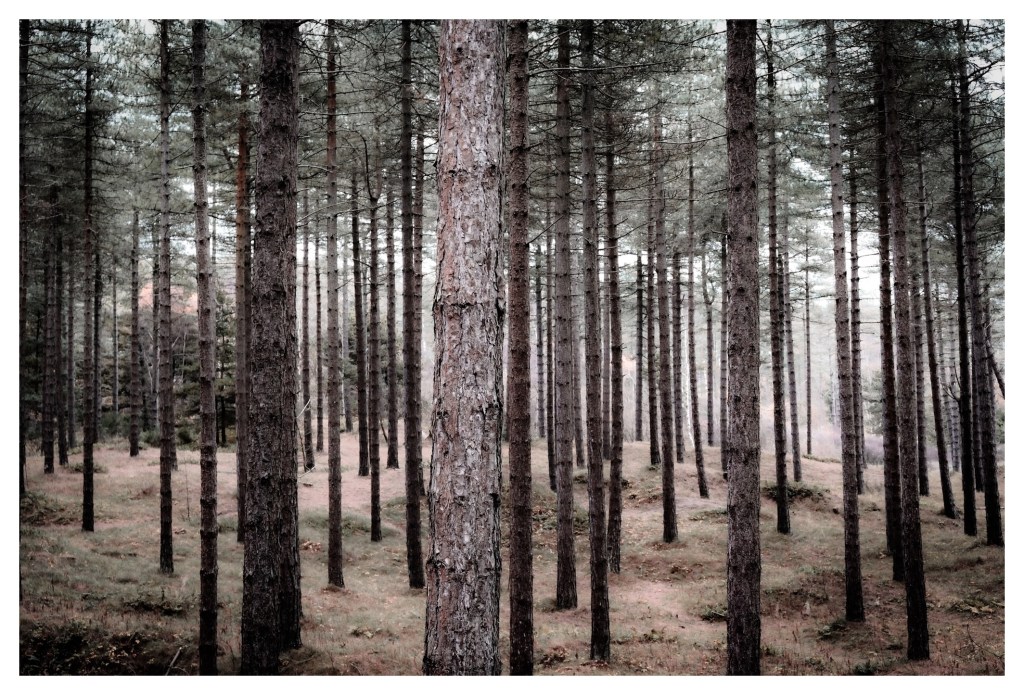
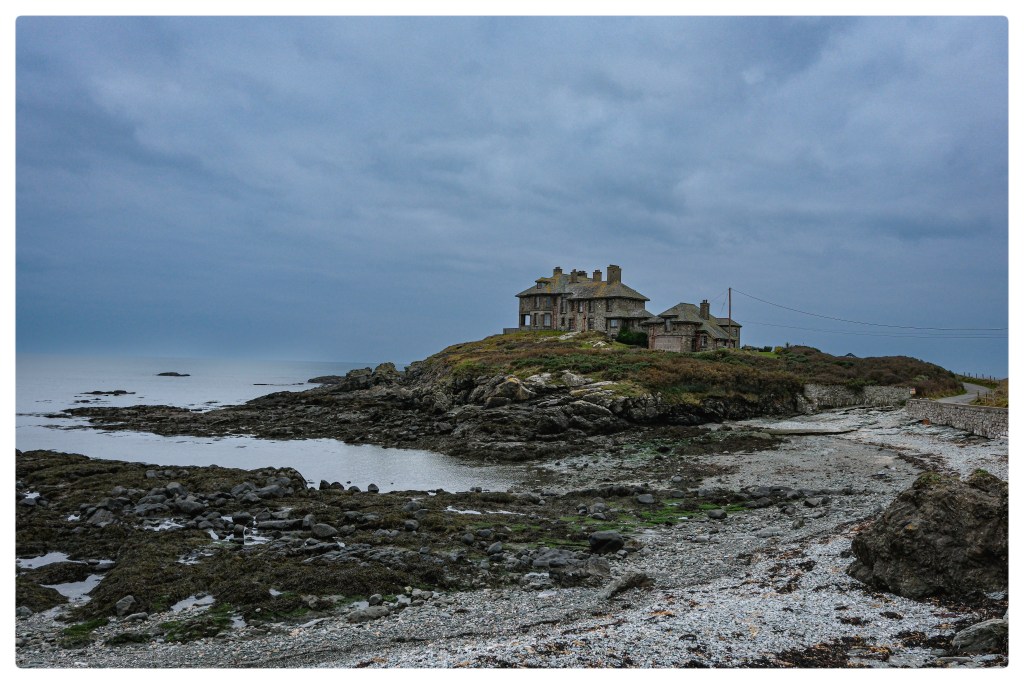
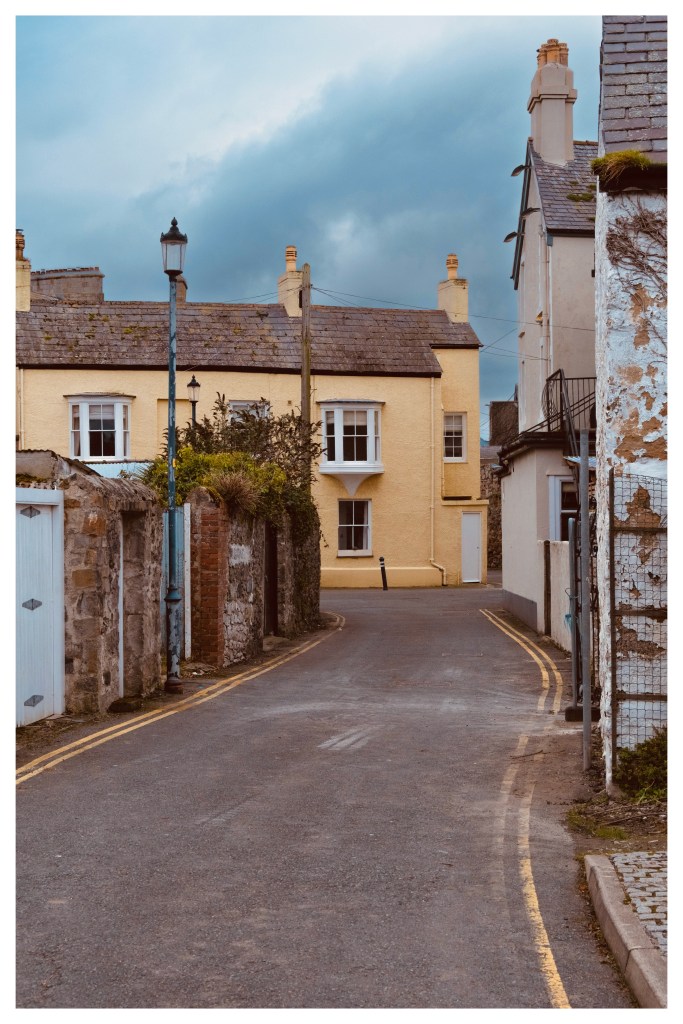
Had a lovely break in Anglesey recently. Thankfully, it stayed dry, however like the rest of the UK, the sun hasn’t made an appearance since last month. Anglesey is an absolutely beautiful place. It has everything; mountains, lakes, forests and the most amazing beaches. I’m not going to write much about it, it wasn’t a photographic break, just some much needed downtime.
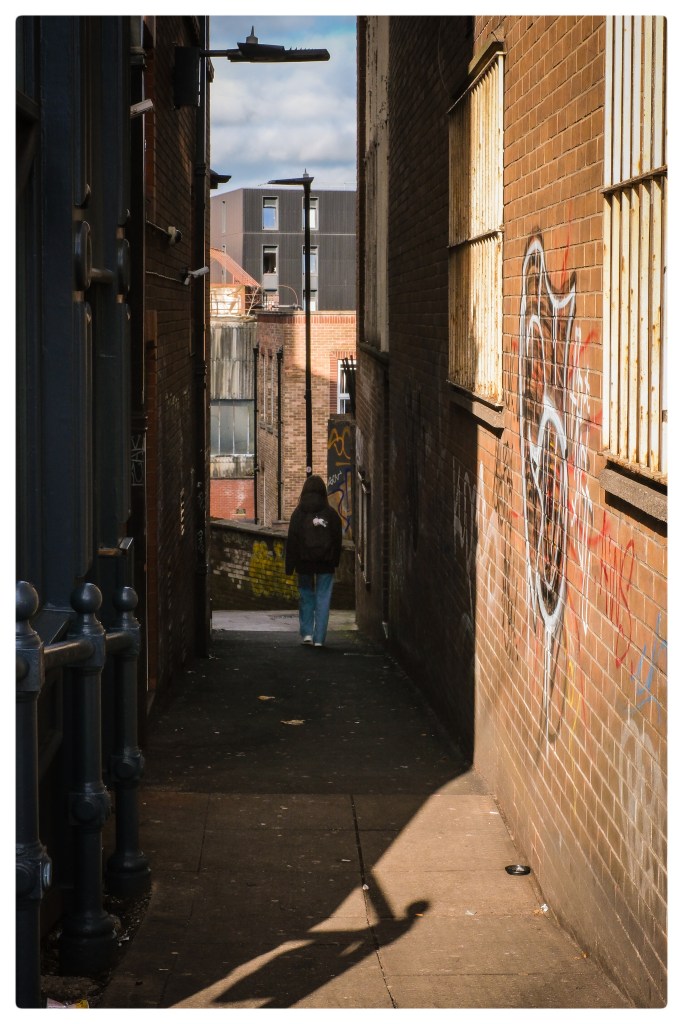
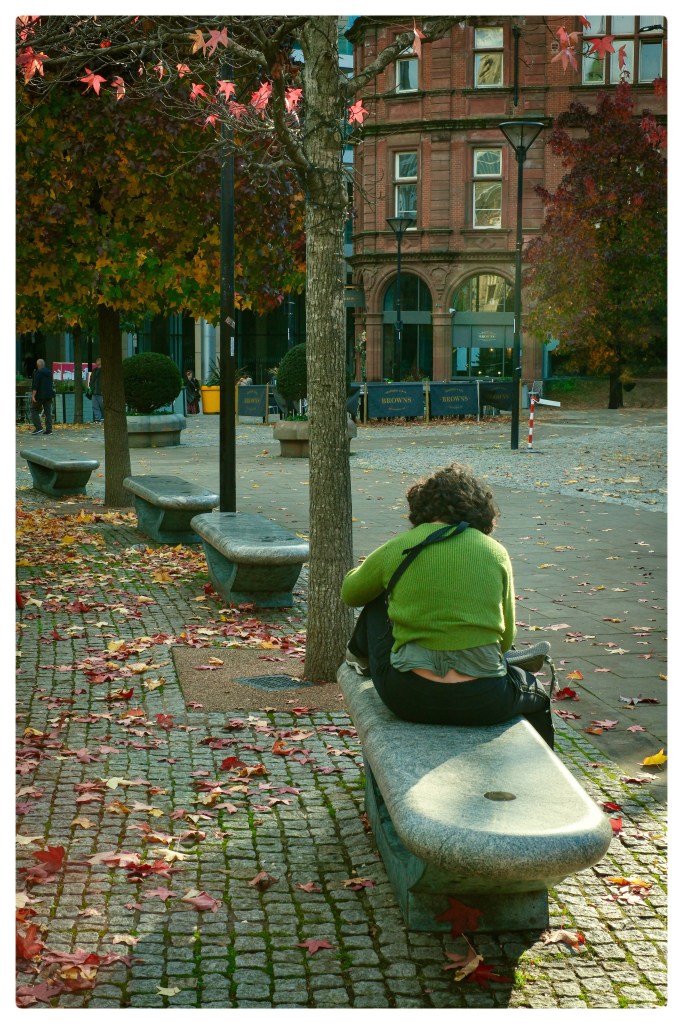
If you’re a street photographer, then you have my absolute respect. It scares the shit out of me. I took my camera into Sheffield the other week with the intention of doing some candid street photography, and I was so nervous. I just don’t have the guts to point my camera at complete strangers and take a photo.
Run and gun
I found myself holding my camera at my side, pointing it in the general direction, pressing the shutter and hoping for the best…. That’s not good. It doesn’t allow for composition, adjusting the settings, making sure the focus is right. Ugh. Any half decent photo would be pure happy accident.
How to feel like a stalker…
I don’t know why I was so nervous. There were plenty of other people with cameras taking photos and nobody was confronting them. I think this is the reason I tend to stick to landscape type photography, the trees won’t accuse me of invading their privacy (as far as I know).
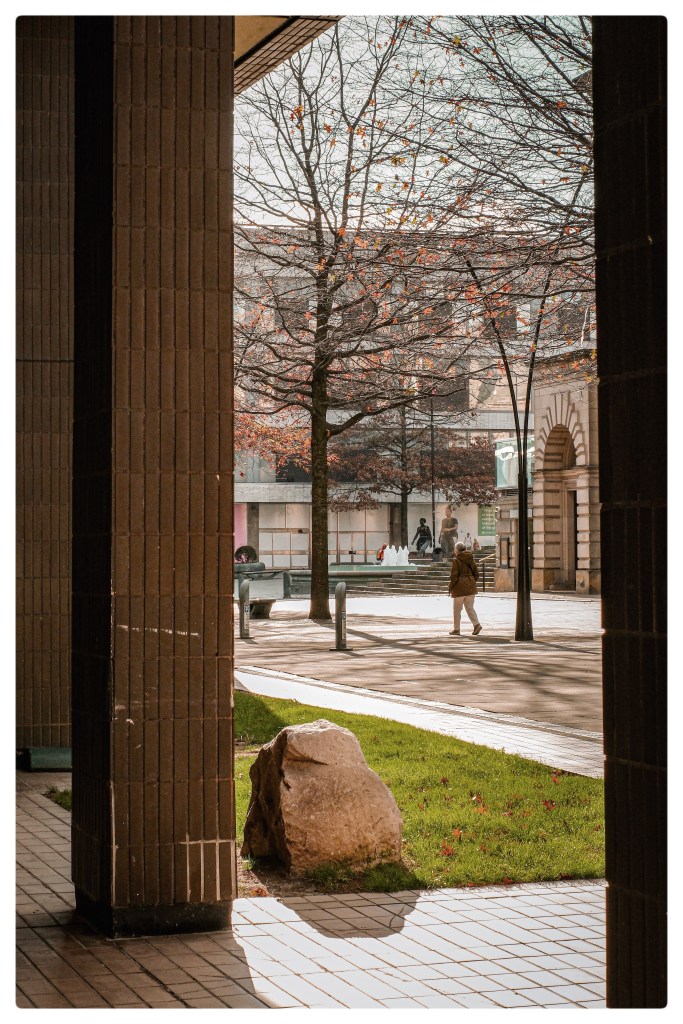
Sheffield is full of great photography locations
So, do I just give up? I don’t think so. I really like street photography (other peoples). I like images with humanity doing human things. I just need to build up my confidence, and I have a plan.
I’ve signed up to do a street photography course with Fuji in London at the end of January. That in itself is a big deal for me as it means being around other people and being open about my visual impairment, but at least we’ll have common interests so we’ll have something to talk about. They provide all of the gear, but I’ll take my own as it’s set up how I like it. Hopefully, I’ll come away more confident and less worried about other people.
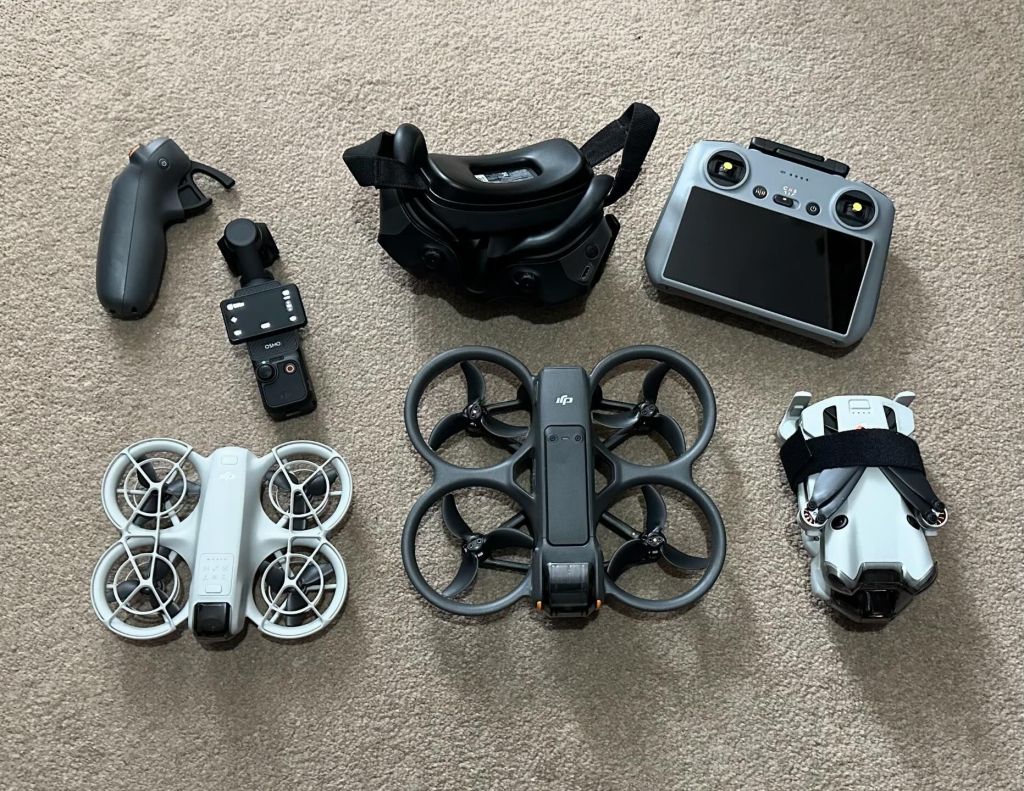
Drones can be controversial as a subject. Understandably people have privacy issues with them, and now sub 250g drones can be flown closer to people and buildings there is a chance they could become even less unpopular. I tend to fly mine only when I know I’m a long way from other people and I’m not going to get hassled. Also, I pretty much exclusively use mine for stills photography. It’s very rare that I use them for video. Of the three I own, one is a DJI Mini 4 Pro which I would call my ‘main’ drone. The tech packed into this tiny package has come so far in the last ten years. It can pretty much fly itself, and the avoidance and safety features make it fool proof. Even I, with one eye can safely operate it. The other two are a DJI Avata 2 which is just used mostly for fun as it’s a racing drone, and lastly a DJI Neo, a new model that’s ridiculously small and I’m still figuring out. It’s classed a as a ‘selfy’ drone, but can do quite a lot more.
My drone gear, and Pocker 3.
So, why am I writing about drones? Well, I was pleasantly surprised to see that Landscape Photographer of the Year had added drone photography as a category over the last few years (although sadly, they have left it out this year). It’s something I’ve dipped my toe into, but never fully got stuck into. As someone that tend to go tp the same place for photography I’m always looking for new angles and perspectives. So, what better way to do that than from the air?
A 12mp sensor has it’s limits, especially when cropping.I’d have needed a boat and a tall ladder to get this shot.
I’m always looking for a new way to view a familiar place because most of my photography is done in one location, so as big as that space it it can be a challenge to find something new. Using a drone has massively increased the number of options I have, especially because I photograph in a wetland. For example, the image above is a location I regularly walk by, but I’ve never been able to find a good angle until now.
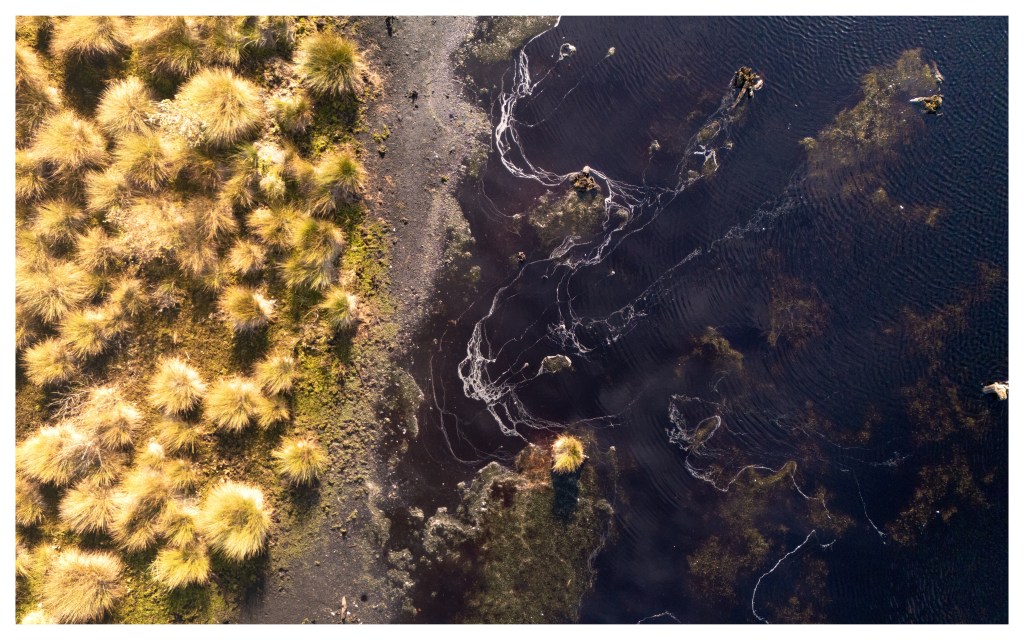
half and half.
I particularly enjoy the types of shots shown above. Straight down with contrasting terrain (in this case marsh and scrubland). Again, it’s something that isn’t possible with a normal camera.
There are some downsides to drone photography. Firstly, I feel very self conscious. Despite a relaxing of the laws around flying drones under 250g (which mine is) which allows them to be flown closer to people and buildings, I still feel incredibly uncomfortable flying anywhere other people might see me. I think that is a me problem. Luckily, the kind of photography I enjoy generally means I am nowhere near other people anyway.
The other issue is that you can’t just take the drone out of your camera bag and go. So, it’s no good for something fleeting. By the time you’ve taken it out of the bag, unfolded it, taken off the lens protectors, turned it on, turned the RC on, got a satellite signal and a return to home point locked in, you’ve lost a good few minutes.
I also worry about the wind taking the drone off too, but I think that isn’t really a risk. They’re quite wind resilient.
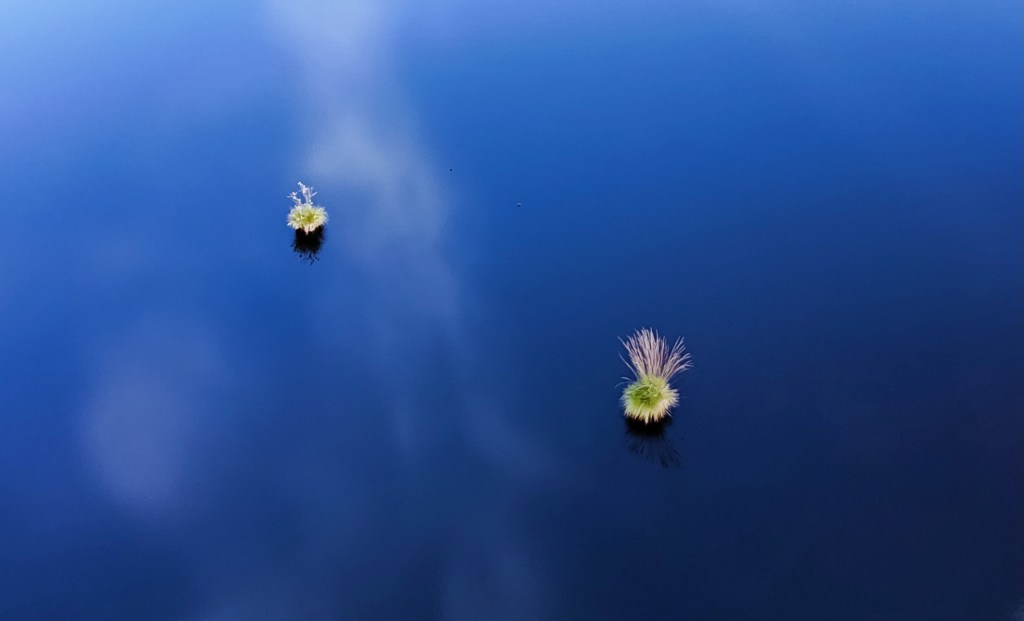
I love the reflection
The drones have a lot of videos capabilities that I currently haven’t explored. I am quite keen to get more into video though, so it will be fun to get into that later on. Hopefully the more I get out there, the more confident I’ll become and the more interesting my drone images will become.
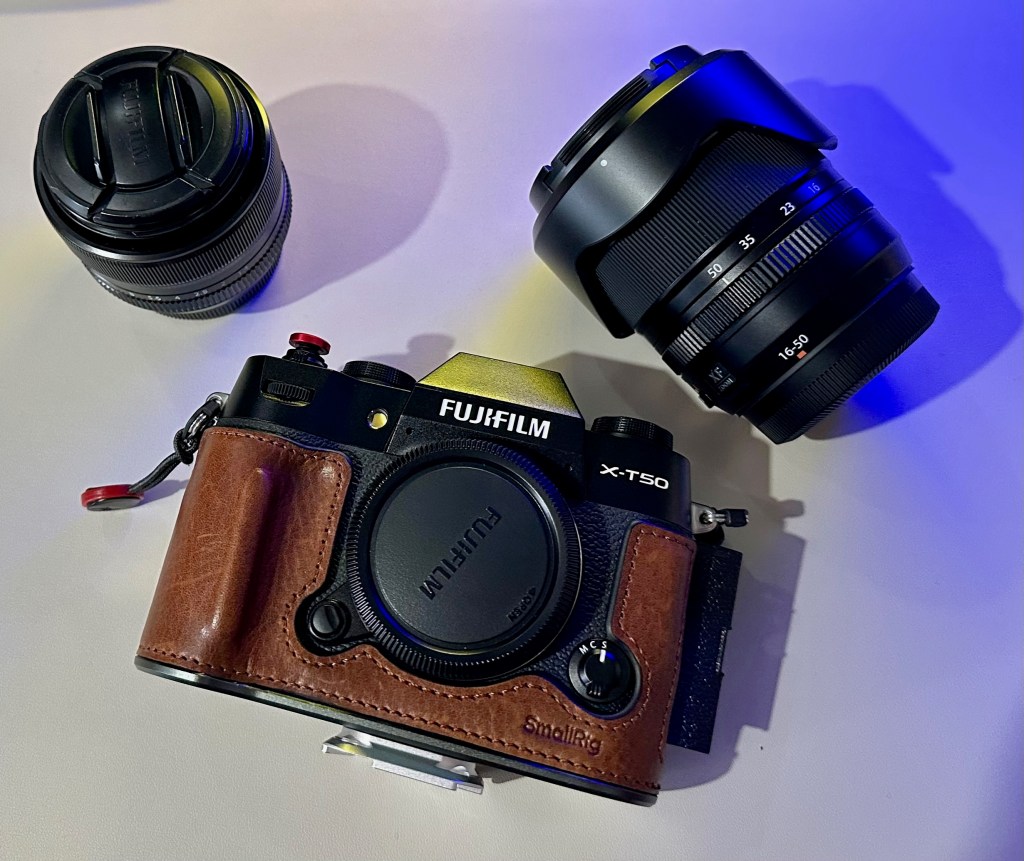
Since I last wrote on this blog I have a new camera. The X100vi is amazing, and I’ll keep it for travel and an everyday carry camera. But, I needed more flexibility with focal lengths. I stuck with Fuji and got the XT50, and after having it for a couple of months I’m really happy with it. It’s basically an X100Vi with interchangeable lenses.
I love the sensors on this range of Fuji cameras. Going from regularly using 16mp to 40mp is a revelation, and allows me to capture so much detail. Similarly the jump from micro four thirds to APSC sensor allows for much greater freedom when shooting low light. Fuji have managed to pack a lot into a small package. I paired the camera with the Fuji 15-50mm which is great for just about everything, especially landscape photography, and Fuji the 35mm lenses which is fantastic for street and portraits (not that I do much portraiture).
I haven’t quite been out as much as I’d like in the last few months, but hopefully that will change now. Also, it’s autumn – which anyone knows is the best time of year for photography so I’d be stupid not to.
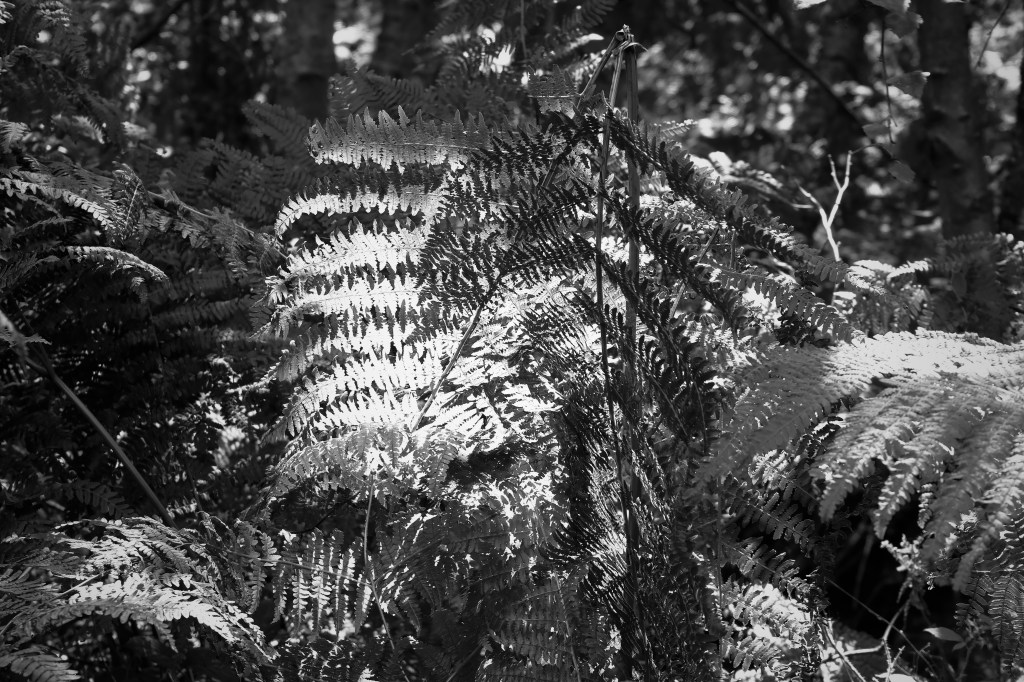
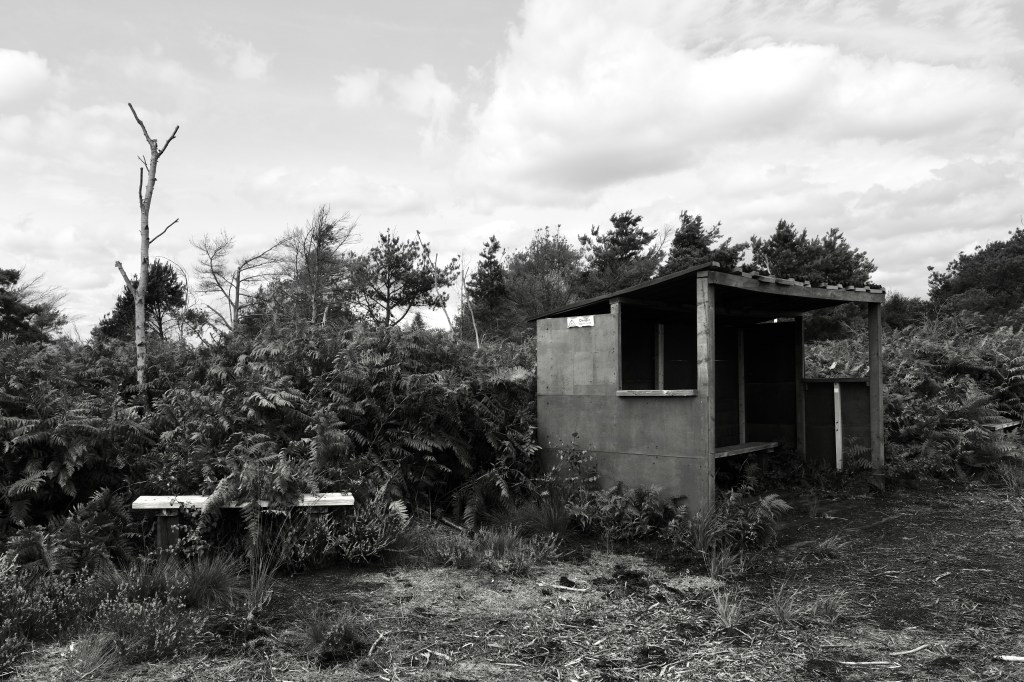
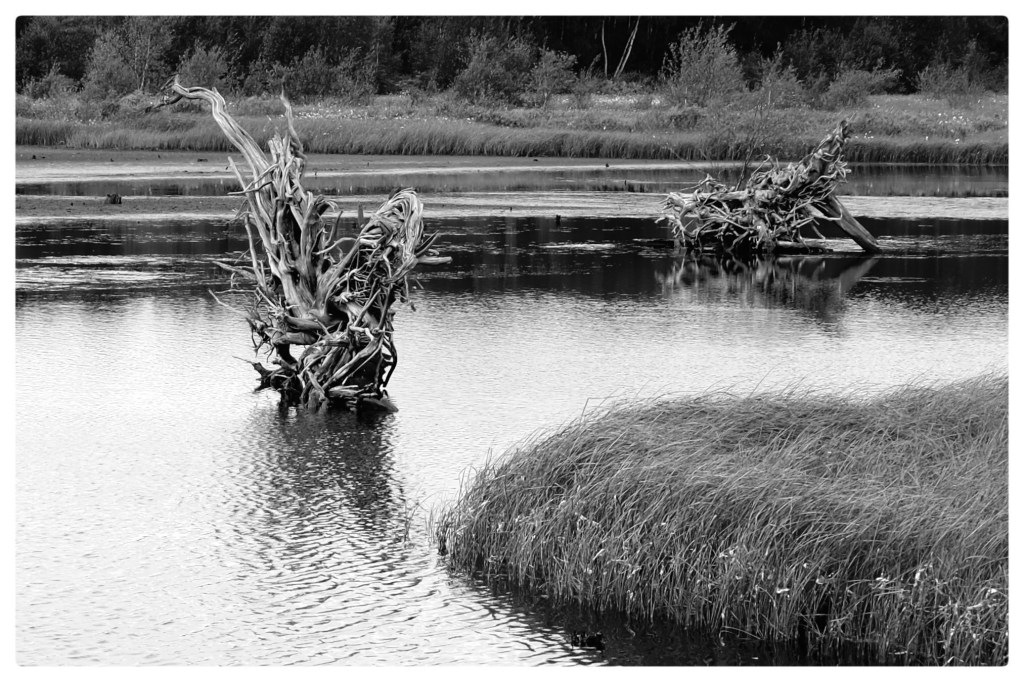
I’m going through a black and white phase. Mostly because when I have been out it’s been in bright sunlight so taking out the colour helps to concentrate on the subject (at least for me).
The photo above is a new local discovery on the Moorland down the road. It’s nice to still be finding new things over there. I’d love to know how these trees ended up looking like this. I’m going to try and get some different angles from above. I’ll also try from the other side. To help with that, I’ve bought a new drone. It’s the DJI Mini 4 Pro. I had planned to use it only for photography. However, since I have a DJI Pocket 3 and some DJI mics, I might try and dabble with some video.
A Quick Note – I lost the original images featured in this post when I accidentally formatted the memory card, so I wasn’t going to write it. In the end I’ve gone ahead, but I’ve had to use the Instagram copies, which is why they don’t look great.
Over the last year or so I’ve moved away from landscape photography. It’s something I’m still really interested in, and still enjoy. But, the reality is I live somewhere that isn’t very landscape-y. So, I’m trying other things, one of them being street photography.
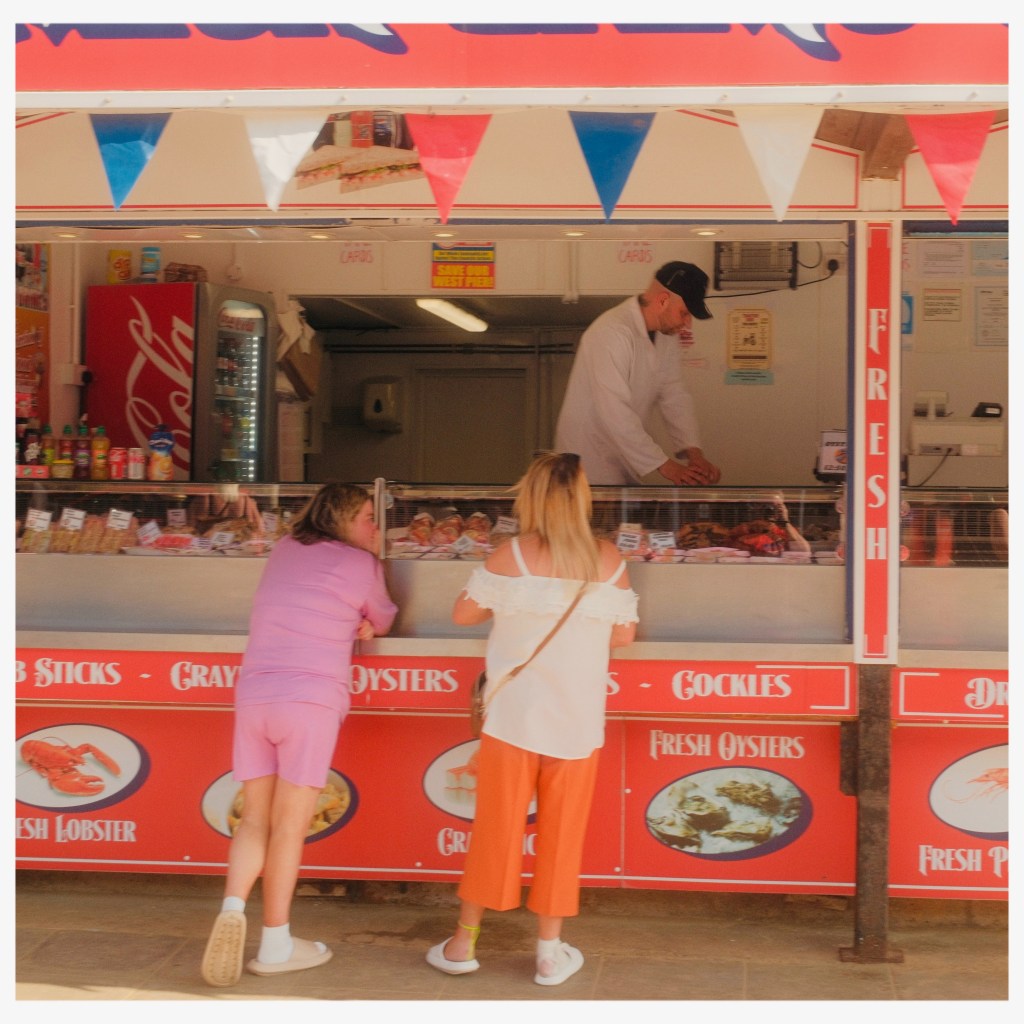
I have always been nervous about trying street photography. Mostly, I’ve been worried about someone being upset about me taking their photo, either intentionally or not. I don’t know why, I’ve had my photo snapped a fair amount when we’ve been in York and I’ve never been upset by it, but some people can be funny. But, an impromptu Wednesday night trip to Scarbrough a few weeks ago and a new camera were a good motivation to give it a go.
The first thing I learned – walking a dog whilst trying to take photos doesn’t work. Especially if you already have vision issues making getting around challenging. The second thing I learned, my wife would rather I didn’t take photos when she’s around.
A camera in one hand and a dog in the other makes for a slightly blurry image.
This was the first time I used my new camera. I didn’t realise I had the in built ND filter turned on, so that slowed the shutter speed down and related in blurry images. Thanks a lot eyes….
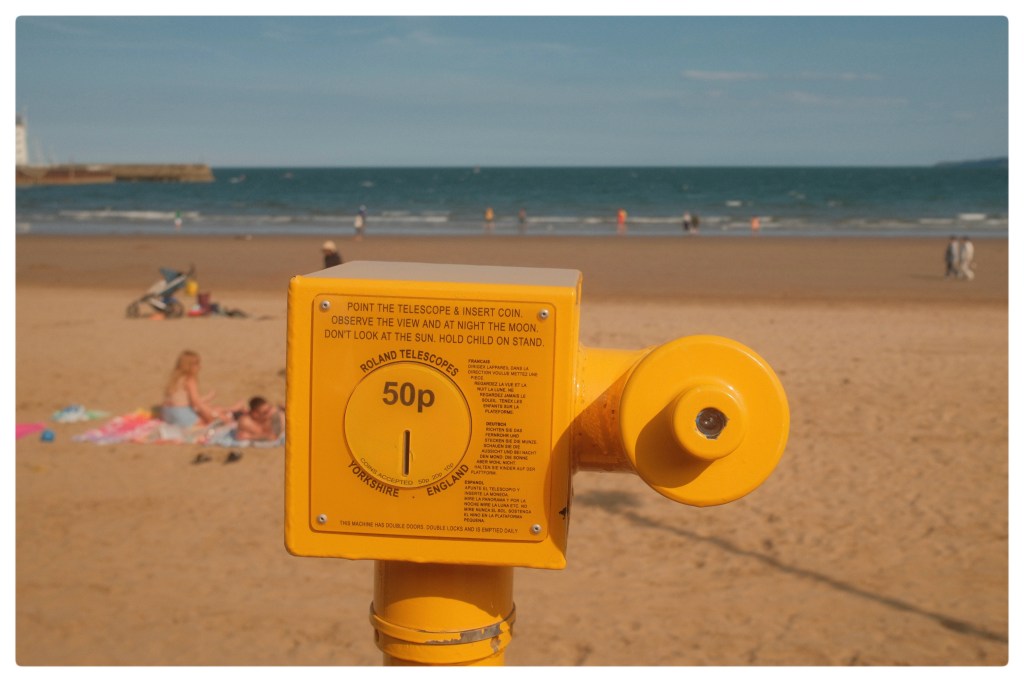
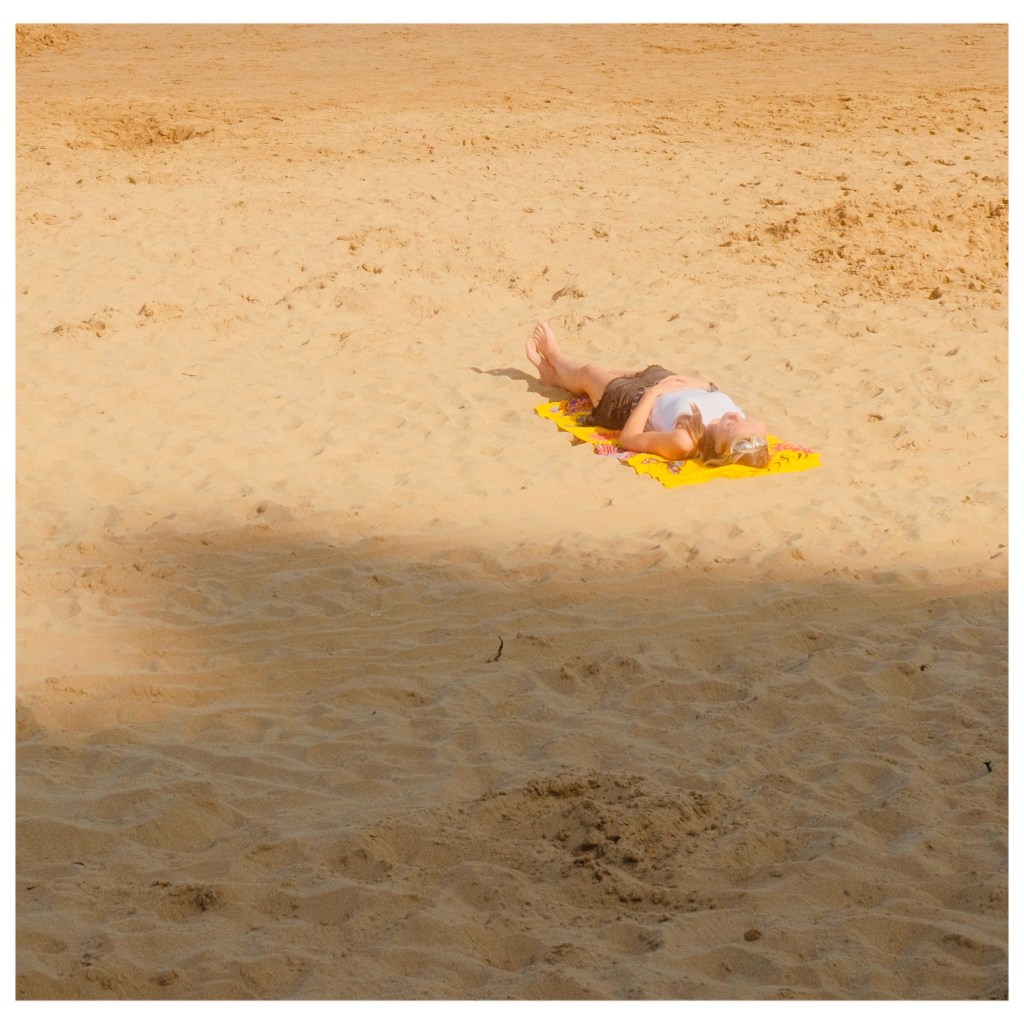
I decided to shoot solely in JPEG, after all one of the points of the new camera was less time messing around editing. I’m pleased to say, it worked for me. There was a bit of cropping here and there, but that’s it. I mostly used a ‘recipe’ (I hate that term in this context) from Fuji X Weekly, which is a great resource for finding film simulations that aren’t already built in to the camera. In this instance I mostly used Vibrant Arizona (inspired by the Wes Anderson film, Asteroid City), which is a look I’ve really like since I saw the film.
I wish I’d have straightened the telescope before I took this.
I was stressing about manually adding recipes to the X100, but it’s actually fairly easy. Once you’ve changed one the rest come fairly easy. That said, I do want to spend more time taking photos with the in build simulations, but Scarborough was made for this recipe.
By this point I’d figured out my camera settings were shit
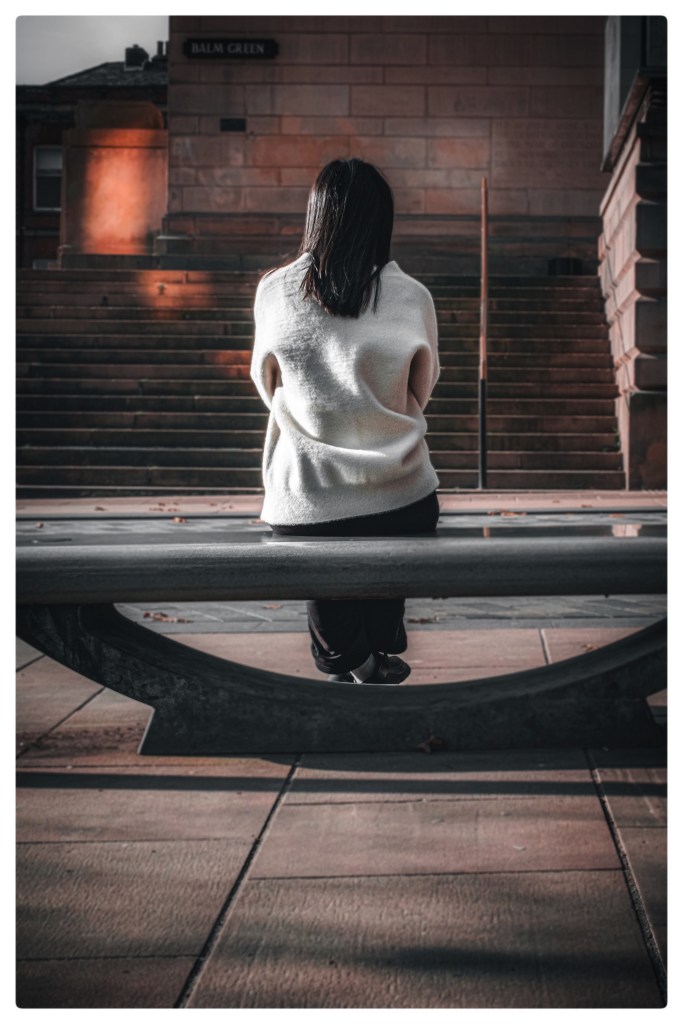
It turns out people don’t care if you’re taking photos. I think they assume they’re not in the frame. It helps that this camera has a small profile and doesn’t have a massive lens sticking out of the front.
Speaking of the lens. The biggest worry I had about moving to this camera was a fixed focal length. In this instance, the 23mm (35mm full frame equivalent) was perfect, and the 40MP sensor allows for a lot of cropping if needed. It will be interesting to see how I feel about actual landscape photography with this focal length.
Instagram compression has killed this one….
The one thing I don’t like about this camera (and there is only one thing), the front dial is too close to the on off switch. I kept changing the shutter speed instead of turning the camera off, or vice versa.
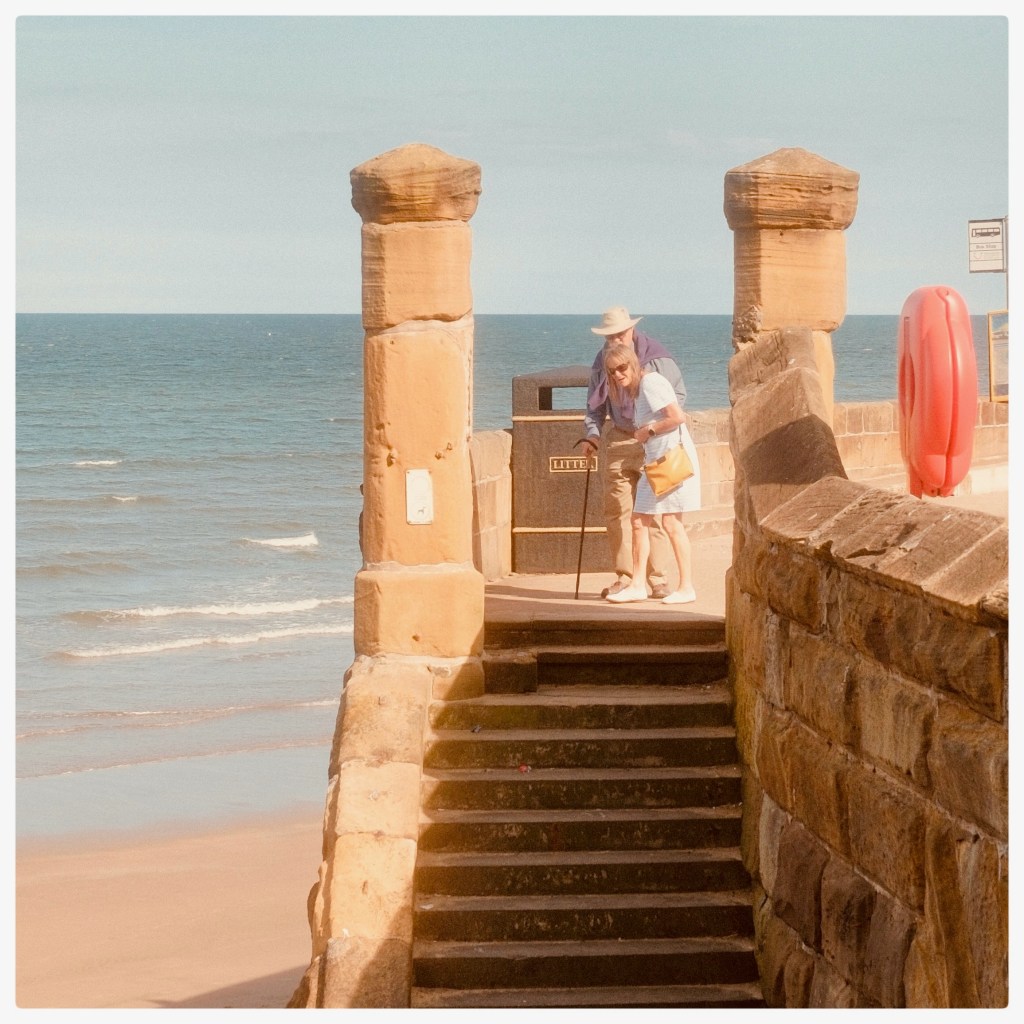
I didn’t like these stair either.
What did I learn on this trip? Always take the right glasses. Always. Check your camera settings with the right glasses on, so you can actually see them. Don’t format the SD card until you have copied the images to the network drive. Dogs or wives and cameras don’t mix. Street photography isn’t scary.
On that last point, street photography isn’t scary. I did kind of enjoy it, but I don’t think it’s something I would set out specifically to go and do. I still think that what I enjoy capturing the most lies somewhere between landscape photography and documentary style photography. Something that shows the human relationship with the natural world rather than towns and cities. Maybe.
This was my first outing with the Fuji X100vi, and yes, I still love it. I’ve spent the weeks since this going over the camera and learning where everything is. I’ve changed the function buttons around 87 times, and think I’m finally settled on them.
I think I’m at the point now where I feel confident enough to go out and really enjoy using it.
Back in March I had another go at fixing my 1970s’ OM10. The winding mechanism wasn’t moving properly, but I got it going and popped in a roll of Ilford film I had knocking around the house.
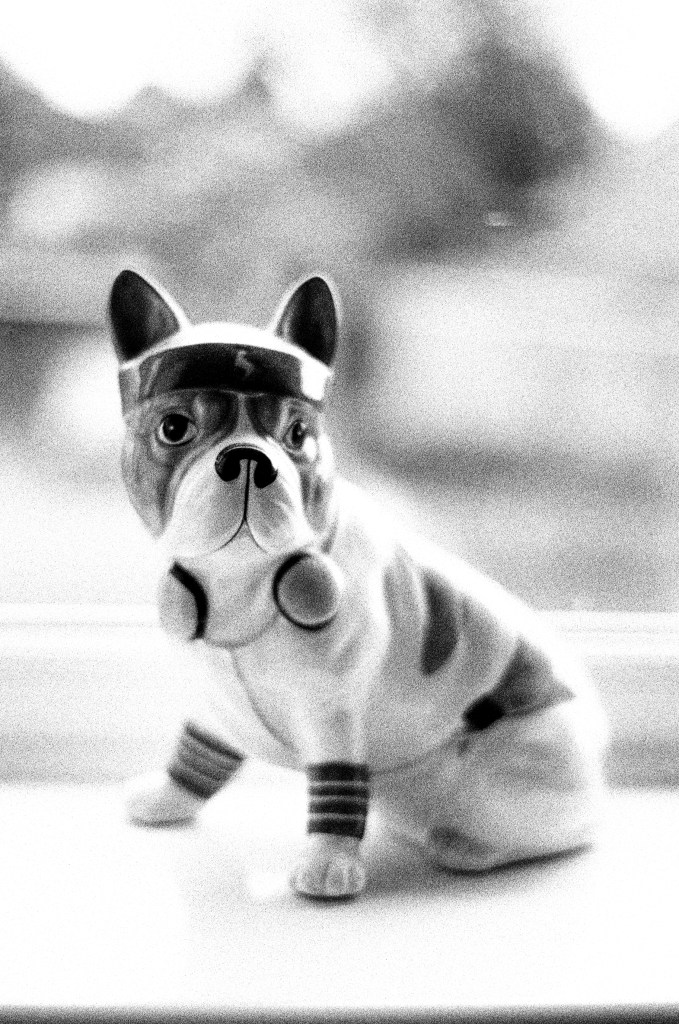
I didn’t invest a lot of time in taking photos with it as I wasn’t 100% sure I’d got it working. So, it’s mostly snaps of the dogs – they’re such good models!
Thankfully, it’s working and this time I got some actual images back. There were some valuable lessons in there. Firstly, the film ISO is important. I didn’t think about that and just assumed something at 400 ISO would suit most situations, but this particular film seemed more suited for darker lighting conditions. There’s a lot of grain where the images are bright. Next, (and this should have been obvious), no RAW for editing means that you really have to get a lot right in camera.
The biggest lesson – film photography is expensive. A 36 exposure film is around £10, developing is anywhere between £15 and £20. That’s up to £35 for a roll of film. Another reason you can’t afford to go wrong.
We’re so lucky to live in a time where digital photography exists. We can afford to mess up, and the only thing we will waste is our time. I have a new appreciation for RAW and being able to come home and change things in Lightroom. Even as someone that isn’t a fan of spending forever editing, it’s nice to be able to.
That said, I like the results. I generally don’t shoot black and white, but I think I’m going to go out a few times and just shoot in black and white. I really, really love this 50mm lens. I’m looking for an Olympus to L Mount adaptor so I can use it on my S9 when it arrives.
So, it’s nice to know the camera works, and I will use it. But, given the cost I can;t see me shooting more than one film a year.
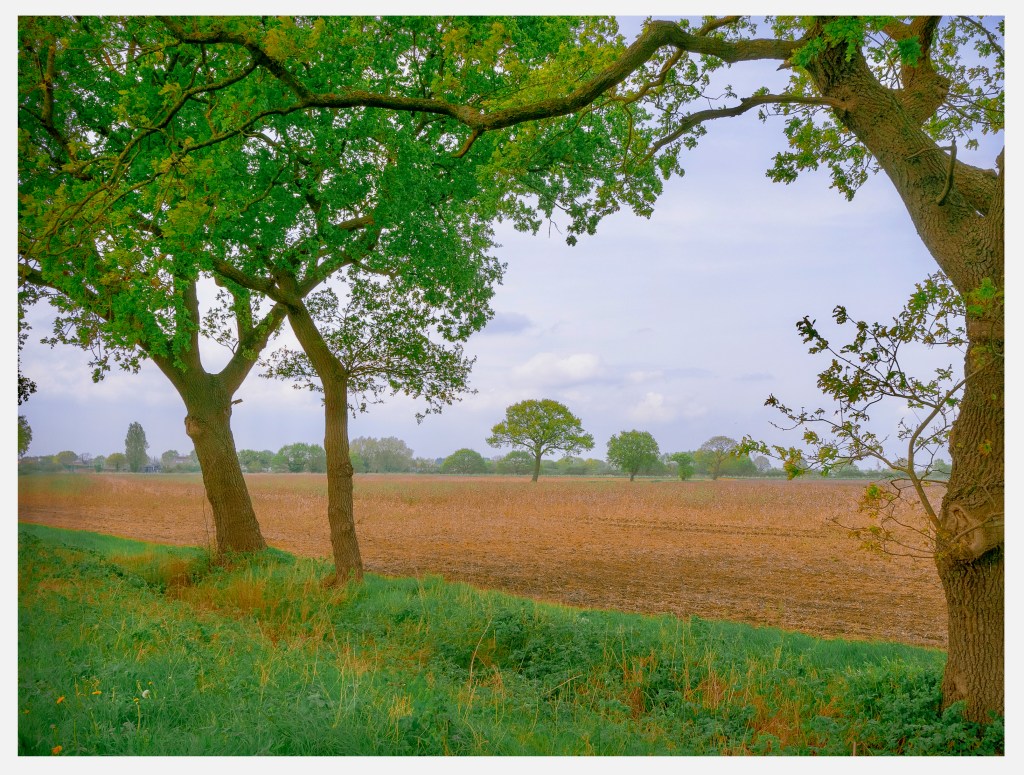
Whenever I watch my favourite Youtube Photographers (Thomas Heaton, James Popsys, Emily Lowry etc) they’re often off on some grand adventure to some amazing location to photograph something spectacular. That’s not really an option for the majority of photography enthusiasts. I’d bet most of us live somewhere boring? Other than the odd trip to the more scenic parts of the UK, I am usually stuck here in the flattest part of Yorkshire. No mountains, or hills, no cliffs, canyons, no beach, just miles and miles of flat farm fields, the odd tree, ditches and canals. But, despite all that I still love going out with my camera. And, I think anyone interested in photography should go out and photograph where they live and not just the cool places.
I bet there are millions of photos of Bamburgh Castle at dawn, or the Old Man of Store on Skye, but how many photos are there of these cows, in this field, with those pylons in Doncaster are there?
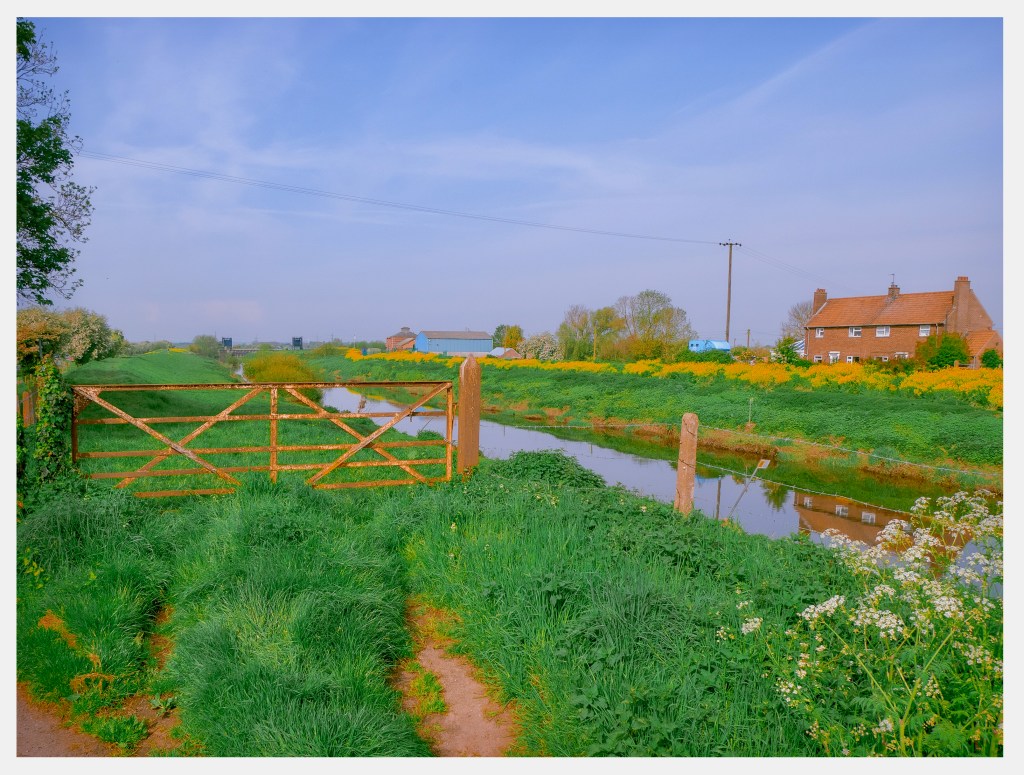
How many photos have been taken of the river Don with this gate and the houses in the background?
Some boring train gates that have never been photographed before (probably), because why would you?
Am I seriously suggesting that these locations are as good as the Lake District, or the Isle of Harris? Well, no. But, they are important because these are the places we really live and work. They’re where we spend our lives, and they’re our reality. They should be photographed just as much as the ‘cool’ places because they are our real history. What’s more, they’re challenging to photograph and make something interesting from, which makes it fun. I think most people could take a great photo using their iPhone at sunrise on a great beach, or a great mountain.
Going local gives us a chance to experiment and grow. I find it lets me slow down because I’m not in a rush to get to the destination. Try different lenses, and filters. Mess around with shutter speed and apertures. Go out at different times of day, not just golden hour. The photos I’ve added to this post were all taken at the brightest part of the afternoon, so I messed about with them in Lightroom until I was happy with how they looked. It’s a great way to learn.
I challenge people to try and take a great photo of something that’s ‘normal’ and every day to them, where they live. Go for a walk, or get on your bike and see what you can find. I bet you’ll enjoy the process.
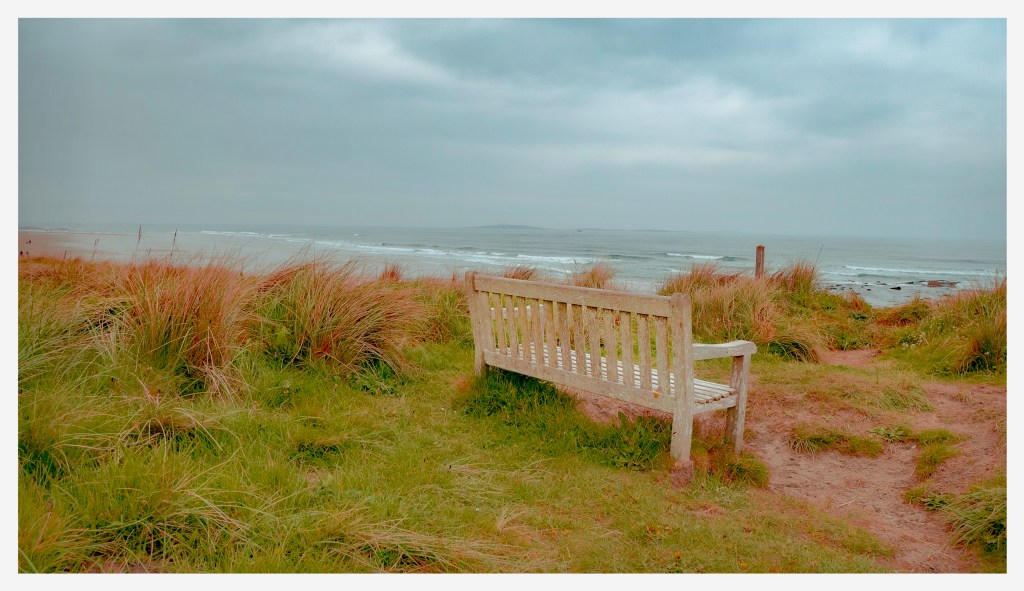
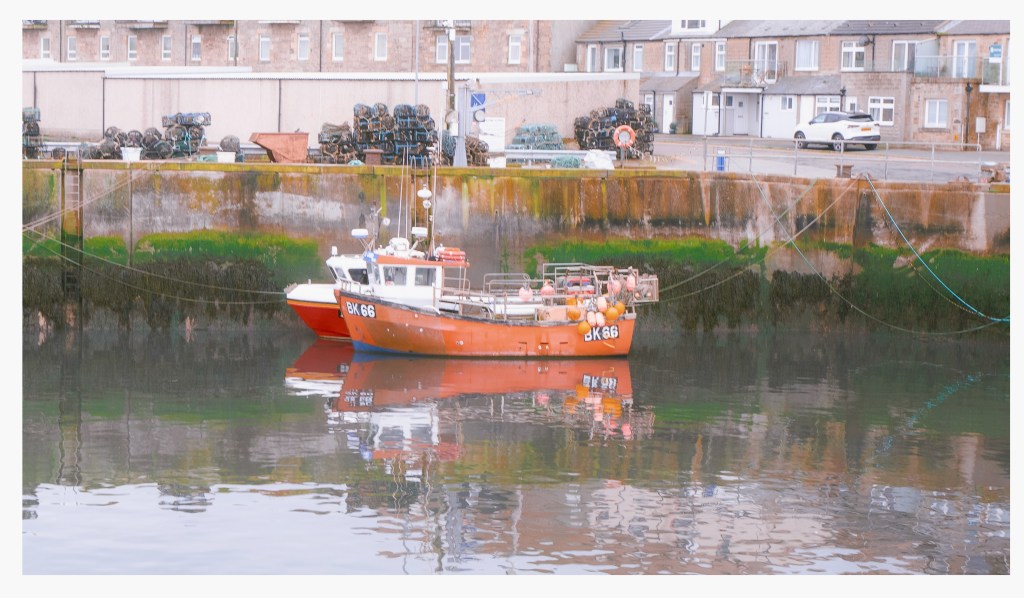
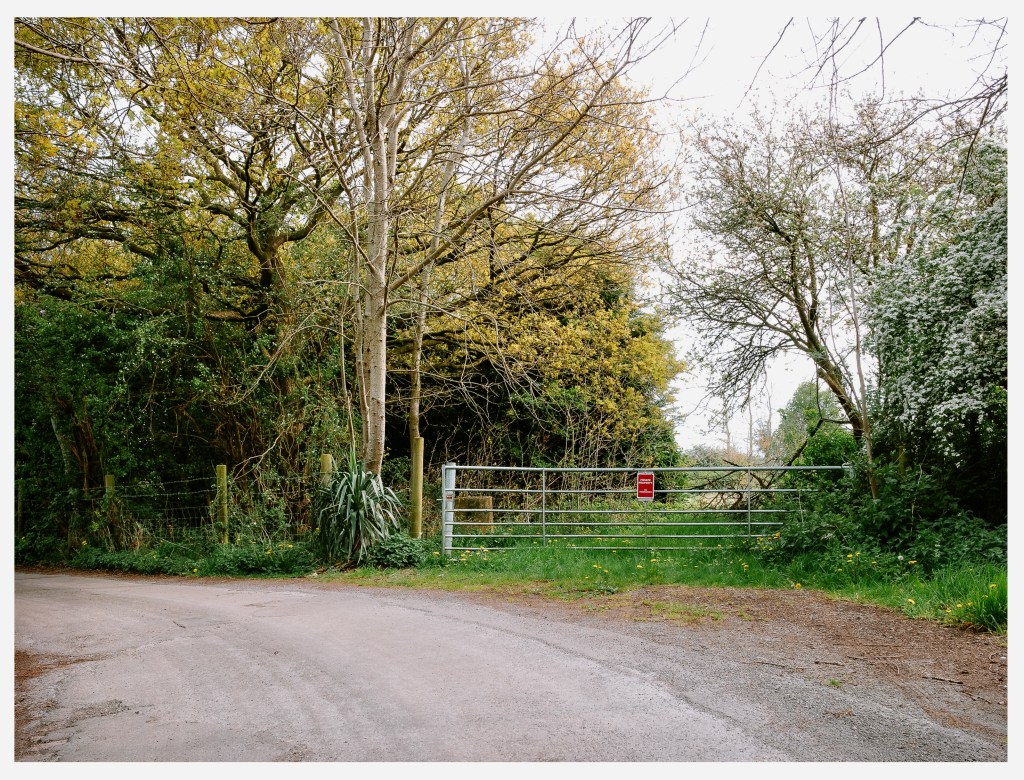
Last weekend should have been a long one, away in Northumberland. But, for reasons I won’t go into our stay was cut short to one day, and a very early departure for home on day two. My hope was to go out early on day two and get some sunrise photos along the coast. but, sometimes life gets in the way.
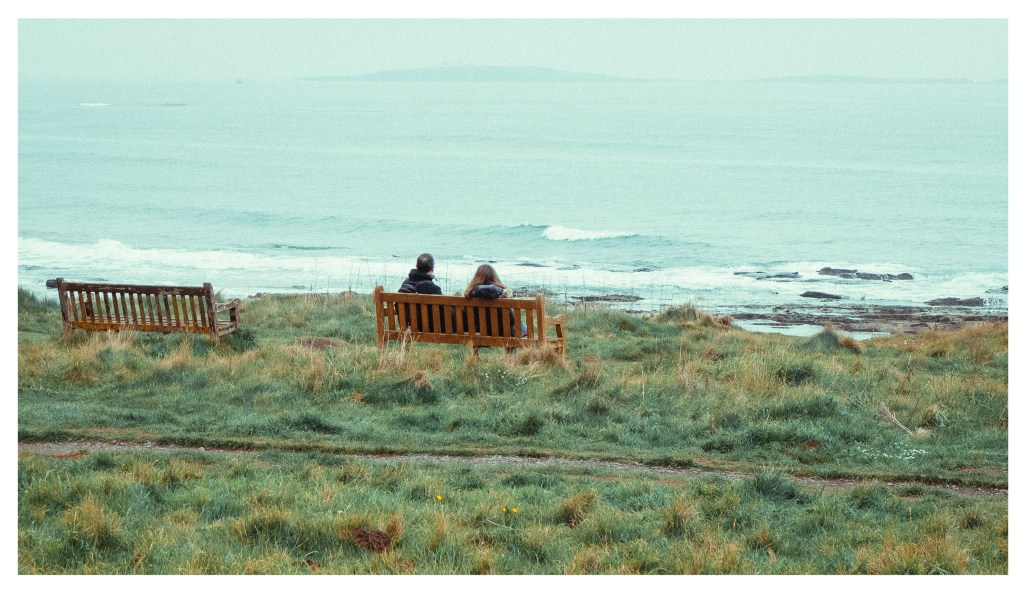
So, all I have is ‘snaps’ taken on a dull day with my GM5 and the ever trusty 12-32 Panasonic lens.
The couple on the bench is my favourite. What were they talking about? Were they looking out to the horizon planning their future? How many other couples had sat on the bench and done the same thing? The empty bench to the left serving as a reminder that our time on earth is brief.
Looking ahead, the weather here is good. Time for some walks and bike rides. I’m trying to plan a return trip to Spurn Point too, and I want to write about the way I’m editing images at the moment, and why.
Isn’t it great when the weather breaks and it finally feels like winter has gone? That’s where we’re at now in my part of the world. With it comes the smell of summer. I can’t quite describe it, and it’s probably different all over the planet, but it’s the smell of everything growing back; the blossom, the grass, the leaves. I went for a bike ride after work yesterday, and the smell was there. It just made me smile.
The best thing about having an electric bike is that I can cover twice the distance in half the time. So, I’m getting a chance to explore further than I used to, and find loads of new places. So, yesterday I took my GX80 and my Leica 15mm for a ride.
Lumix GX80, Leica 15mm f3.5 1/1000 sec, ISO500
There are so many roads like this around me. Single lane, quiet, and moss growing down the middle due to lack of use. I really like this image. The light on the leaves in the tree canopy makes it for me, and the way the road curves away at the end. For editing I tried to go down that Asteroid City look. I wasn’t a fan of the film, but the colour grading is fantastic. It’s like a muted pastel kind of thing. I think I got fairly close?
Lumix GX80, Leica 15mm f6.3 1/100 sec, ISO200
My current obsession is humanity meeting nature. This image fits in with that, showing an abandoned building being grown through by trees. I have no idea what this building was. A lot of this area was taken up by an airbase during World War 2, so it might be a remnant of that.
Lumix GX80, Leica 15mm f6.3 1/160 sec, ISO200
This is a bit naff. But, at the time I saw something in it, so I’m sharing it. Maybe I’ll go back and try and figure out what it was. Not every image is a keeper.
Lumix GX80, Leica 15mm f5.6, 1/640 sec, ISO200
Another one I’m not 100% happy with and will go a retake. I want the tree in the middle of the two closer trees framing it. I probably need to take my 12-60 so I can get a better range of shots. I still quite like this though.
I am all about Olympus at the moment. I’ve had another go at fixing my Olympus OM10 (1979) Film Camera. I think I may have got it working, so I’ve got a roll of Ilford black and white film in there. I think when I send it in for developing I better add a note saying ‘please don’t judge this photographs, I just snapped any old crap to get through the roll’. Fingers crossed this time it works.
I also had an Olympus OM-D E-M10 (why did they use such long names?) for a couple of days from MPB. Aesthetically it was a really nice looking camera, but I hated the menus. I hated them so much that I think it has put me off Olympus for life. That said, I am thinking of a new camera as my G9 is getting quite old now (although it’s still a very, very good camera), and I like the OM Systems OM-5 (on paper). But, I’m also thinking of going to full frame, either Sony or Canon.
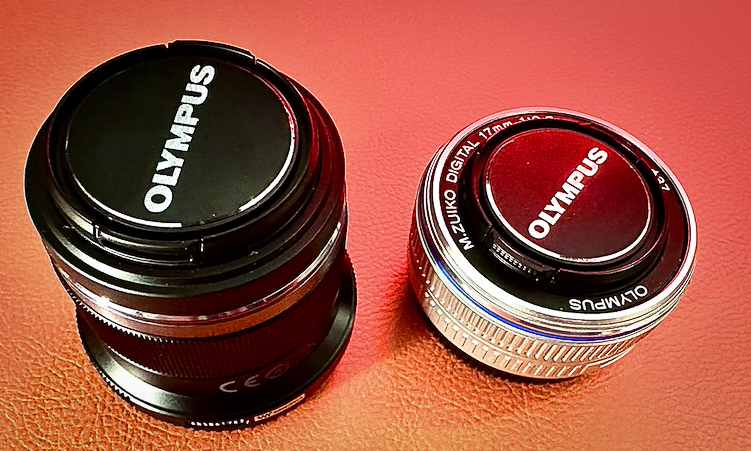
I’ve added a couple of new lenses to my gear over the last few weeks. An Olympus 17mm f2.8 which was so cheap I couldn’t say no. I got this primarily for my GM1/5 cameras for things like weddings and parties. I never want to take my very expensive Leica 15mm to those kind of things, so this was a decent alternative at a similar focal length. I also got the Olympus 45mm f1.8. I got this mostly because I couldn’t figure out how that focal length would be useful on an M43 system. But, I have to say (for the money) it is an incredible lens, and has probably made it straight into my top 3 lenses. It’s very sharp and the bokeh is incredible. I haven’t used it outside of the house yet, but we’re heading to Northumberland for a few days so it will be a good place to get some time with it.










 Shaun Madill Photography